The Oldest Contract Was Written in Wine
When archaeologists uncovered the remains of a 4,000-year-old banquet hall in the ancient city of Mari, they found something more revealing than pottery or jewelry: detailed records of who sat where, who ate what, and who owed what to whom afterward. The Mesopotamians, it turns out, had already perfected what we now call the business dinner.
The human brain processes shared meals differently than any other social interaction. Evolutionary psychologists have identified what they call the "commensality effect" — the neurological reality that eating together creates bonds of trust and obligation that persist long after the last course is cleared. Ancient civilizations didn't need laboratory studies to understand this. They built entire diplomatic systems around it.
The Roman Art of Calculated Generosity
Roman senators didn't throw lavish dinner parties because they enjoyed cooking. They understood that in a society where direct bribery was illegal, hospitality provided a legal loophole. The elaborate convivium — the formal Roman banquet — was essentially a lobbying session disguised as entertainment.
The seating arrangement alone was a masterclass in psychological manipulation. The host placed the most important guest on the lectus consularis, the place of honor, while potential rivals found themselves relegated to uncomfortable positions near the kitchen. Every aspect of the meal, from the wine selection to the entertainment, was calibrated to create specific emotional states in specific people.
Pliny the Younger's letters provide a detailed manual for what we might now call "influence dining." He describes elaborate meals where the host served different quality food to different guests — premium delicacies for those whose support he needed, inferior dishes for those he wanted to insult. The message was clear without a word being spoken: your value to me determines your experience at my table.
Medieval Feasts and the Birth of Corporate Entertainment
The great halls of medieval Europe took strategic dining to new extremes. A single feast could consume a lord's annual income, but the investment paid dividends for decades. When King Edward III threw a tournament feast in 1348, he wasn't celebrating chivalry — he was buying the loyalty of 300 knights whose allegiance he would need in the coming war with France.
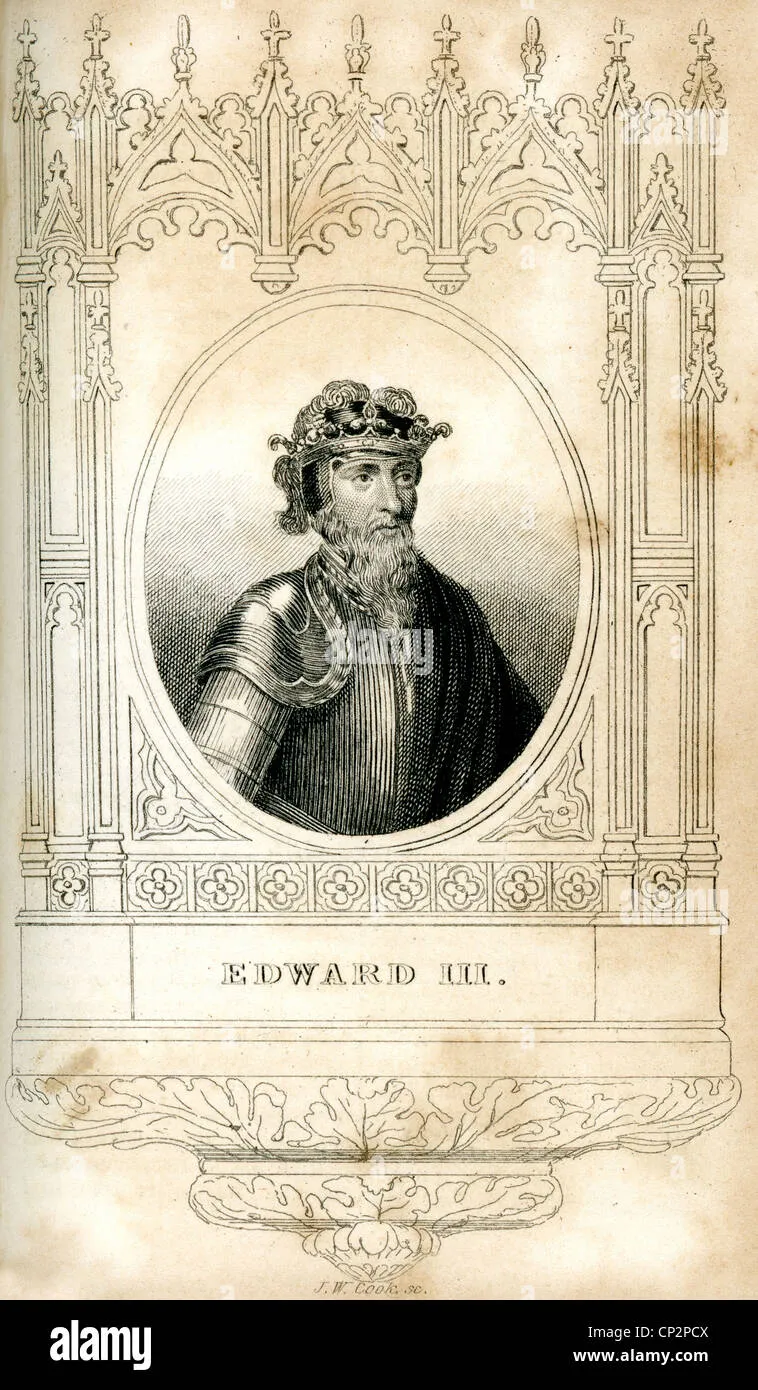 Photo: King Edward III, via c8.alamy.com
Medieval account books reveal the sophisticated mathematics behind these displays. Hosts calculated the exact cost of securing each guest's future cooperation, then engineered the meal experience to maximize that return on investment. The practice was so systematic that by the 14th century, there were professional "feast masters" who specialized in designing meals for specific political outcomes.
The Gilded Age Perfects the Formula
American robber barons elevated strategic hospitality to an art form. When J.P. Morgan invited rivals to his private dining car, he wasn't making friends — he was creating the psychological conditions for advantageous mergers. The elaborate dinner parties of the Gilded Age weren't social events; they were complex financial instruments that happened to involve food.
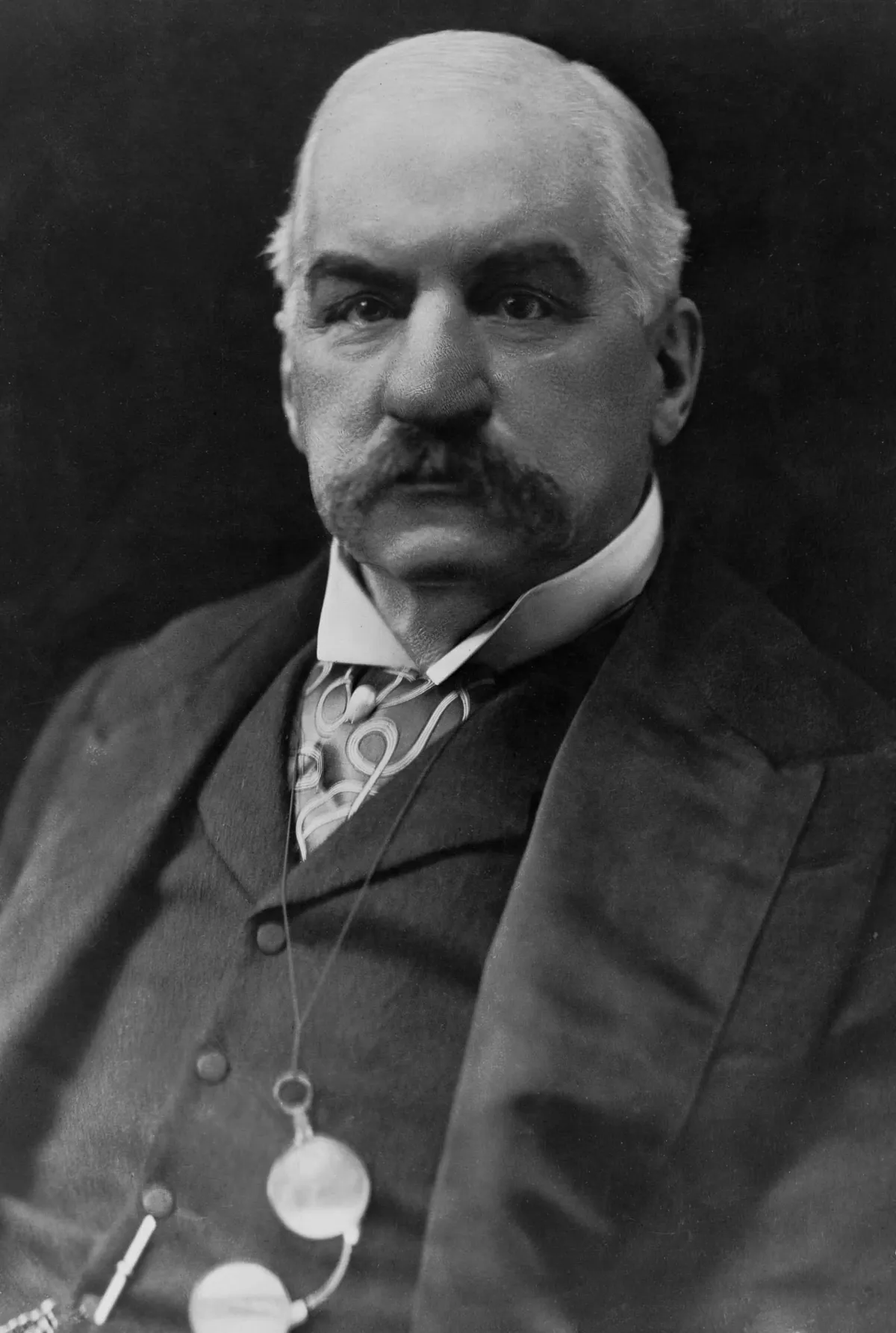 Photo: J.P. Morgan, via upload.wikimedia.org
The Astors, Vanderbilts, and Rockefellers understood something that modern behavioral economists have only recently quantified: people make different decisions when they're physically comfortable and psychologically obligated. The ornate dining rooms of Fifth Avenue mansions were designed as decision-making environments where the host held every advantage.
Silicon Valley's Digital Dinners
Today's tech executives have simply digitized ancient practices. When Mark Zuckerberg hosts dinners for politicians, or when venture capitalists organize "intimate" gatherings for startup founders, they're following a playbook written in cuneiform. The setting may be a Palo Alto restaurant instead of a Roman villa, but the psychology remains unchanged.
Modern neuroscience has validated what ancient hosts understood intuitively. Shared meals trigger the release of oxytocin, the hormone associated with trust and bonding. They also activate the reciprocity principle — the deep-seated human need to return favors. A $200 dinner can generate obligations worth millions.
The Invitation You Can't Refuse
The most sophisticated strategic meals are those that don't feel strategic at all. Throughout history, the most effective hosts have been those who made their calculated generosity appear spontaneous. The ancient Greek concept of xenia — sacred hospitality — wasn't about kindness to strangers. It was a social technology for creating networks of mutual obligation across vast distances.
When someone invites you to dinner, they're not just offering food. They're proposing a transaction: your time and attention in exchange for their hospitality, with the understanding that this exchange creates ongoing obligations. The dinner party has always been the most civilized form of psychological warfare.
The Eternal Table
Every culture in recorded history has developed elaborate rules around shared meals because every culture has recognized their power. From Chinese banquet etiquette to Japanese tea ceremonies to American power lunches, the forms change but the function remains constant: turning the basic human need for nourishment into a sophisticated tool for managing relationships and extracting compliance.
The next time you receive a dinner invitation, remember that you're participating in humanity's oldest and most refined system of social influence. The only question is whether you're the host or the guest — and whether you understand which role you're really playing.