
The Pattern Thucydides Recognized
In 411 BCE, Thucydides observed something puzzling about the oligarchic revolution in Athens. For months before the coup, he noted, "the majority of citizens expressed private discontent with the democracy, yet none dared speak publicly against it, each believing himself alone in his dissatisfaction." When the oligarchs finally seized power, they faced little resistance—not because Athenians supported them, but because each citizen had assumed he was the only one opposed to the status quo.
Thucydides had documented what behavioral scientists now call "pluralistic ignorance"—the phenomenon where individuals privately reject a norm while publicly conforming to it, mistakenly believing that others genuinely accept what they themselves only pretend to support. But the Greek historian had identified something more specific: the way this psychological trap consistently delays collective action, even when the conditions for change are overwhelmingly present.
Twenty-five centuries later, the same pattern would stall the Montgomery Bus Boycott for months, prevent the first lunch counter sit-ins for years, and delay countless workplace strikes despite widespread worker dissatisfaction. The psychology that kept Athenian democrats silent in 411 BCE kept American civil rights activists waiting for someone else to make the first move in 1955.
 Photo: Montgomery Bus Boycott, via s3.amazonaws.com
The Roman Senate's Conspiracy of Silence
Roman historians documented this phenomenon with clinical precision. Tacitus described the final years of Tiberius's reign as a period when "every senator harbored grievances against the emperor, yet each believed himself alone in his opposition." Private letters from the period, discovered centuries later, reveal that dozens of senators were simultaneously planning to speak against Tiberius in the Senate—and each was waiting for another to begin.
The result was months of paralysis during which Tiberius's increasingly erratic behavior went unchallenged, not because senators supported him, but because each assumed the others did. When Caligula finally succeeded Tiberius, the Senate's first act was to publicly condemn the previous emperor's policies—policies that had gone unopposed for years despite widespread private opposition.
Sallust, writing about an earlier period, captured the psychological mechanism with remarkable clarity: "In matters of public concern, men often mistake the silence of others for consent, when in truth it springs from the same fear that keeps themselves silent." Roman political culture had identified the feedback loop that sustains unpopular systems: people conform because they think others support the status quo, while their conformity convinces others that support is genuine.
The Medieval Peasant's Calculation
Chronicles of medieval peasant revolts reveal the same pattern operating at the village level. The English Peasants' Revolt of 1381 was preceded by decades of complaints about taxation and labor conditions, documented in manor court records across the country. Yet the revolt itself was triggered not by a new injustice, but by a single incident in Essex where one tax collector pushed too hard.
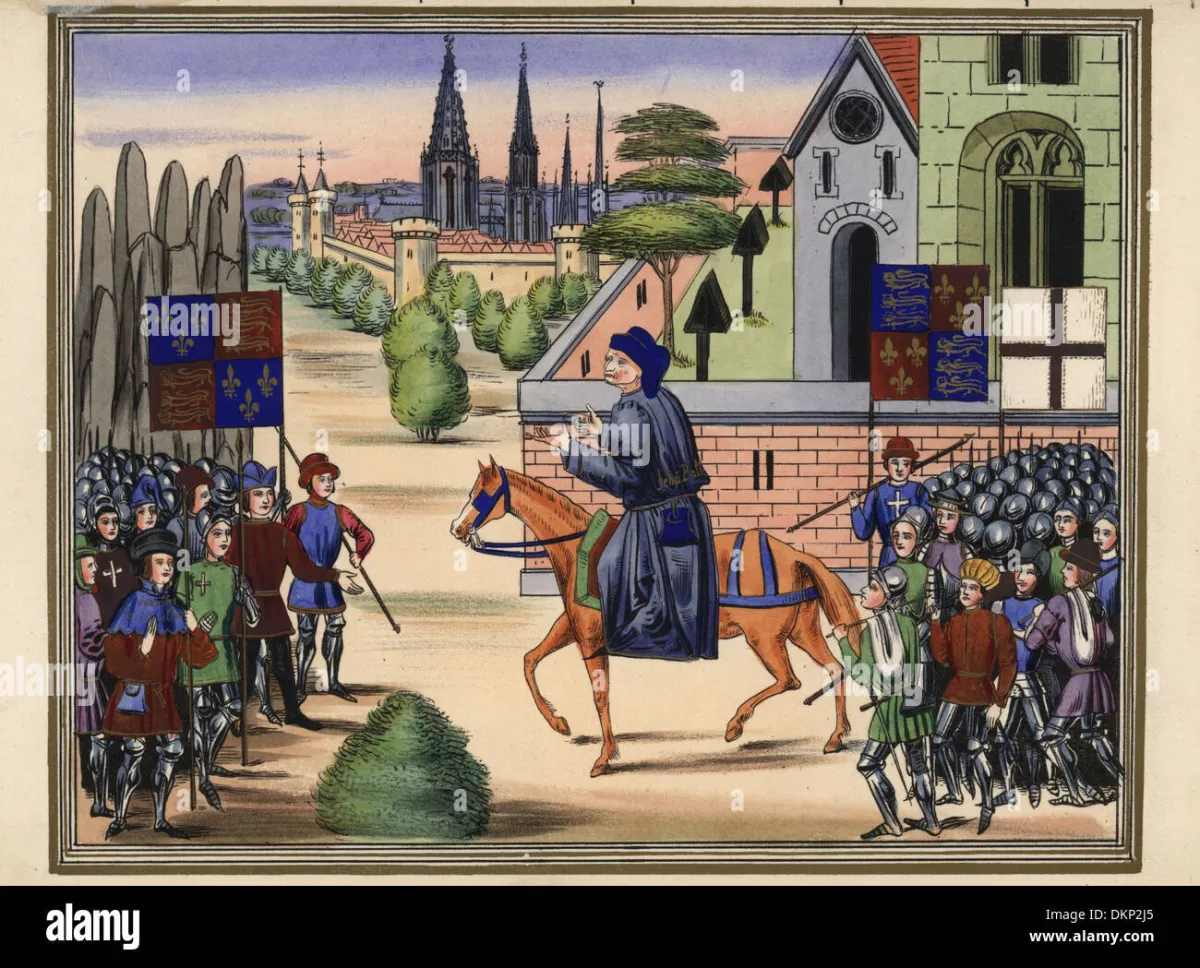 Photo: English Peasants' Revolt, via c8.alamy.com
Within weeks, the rebellion had spread across England, suggesting that the grievances had been widespread and the readiness to act nearly universal. But it had taken years for anyone to make the first move, during which each village had assumed it was alone in its dissatisfaction.
Froissart's contemporary chronicle captures the psychological breakthrough that enabled the revolt: "When the men of Essex saw that others shared their grievances, they marveled that they had suffered so long in silence, each believing his neighbors content with their lot." The revelation that discontent was widespread, rather than any new outrage, had finally triggered collective action.
The Industrial Revolution's Waiting Game
Nineteenth-century labor historians documented this pattern with unprecedented detail. The first major strikes in American industrial cities were consistently preceded by long periods of worker complaints that never translated into action. Factory owners' correspondence from the 1870s reveals their awareness that worker dissatisfaction was widespread, yet they were repeatedly surprised when strikes finally erupted.
The reason was always the same: workers had assumed that their colleagues were more accepting of poor conditions than they actually were. Union organizers learned to exploit this psychology by conducting anonymous surveys that revealed the true extent of worker dissatisfaction, breaking the illusion of contentment that had prevented collective action.
Samuel Gompers, founder of the American Federation of Labor, understood this dynamic intuitively. His organizing strategy focused on creating opportunities for workers to discover that their grievances were shared rather than unique. "The first victory in any strike," he wrote, "is convincing each worker that he is not alone in his dissatisfaction."
The Civil Rights Stalemate
The Montgomery Bus Boycott provides perhaps the clearest modern example of this ancient pattern. For months before Rosa Parks's arrest, African American leaders in Montgomery had been discussing the possibility of a bus boycott. They knew that black passengers were frustrated with segregated seating and the humiliating treatment they received from bus drivers.
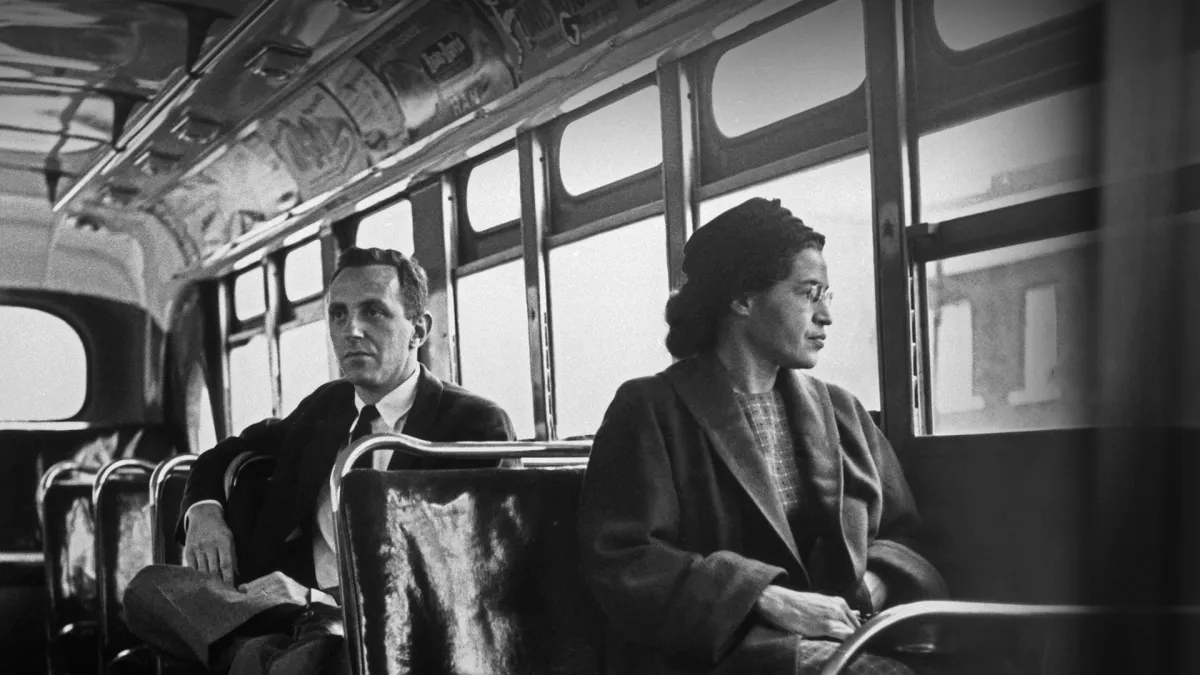 Photo: Rosa Parks, via www.bwallpaperhd.com
Yet when the Women's Political Council proposed a boycott in early 1955, the response was lukewarm. Community leaders worried that they lacked sufficient support, while ordinary citizens assumed that if a boycott were viable, someone would have organized one already. Each group was waiting for the other to demonstrate that collective action was possible.
Park's arrest broke this stalemate not because it was uniquely outrageous—similar incidents occurred regularly—but because it provided a focal point around which the community could discover its own readiness to act. The boycott's success surprised even its organizers, who had underestimated the depth of community support because that support had remained largely invisible until it was tested.
The Digital Age Paradox
Social media has created new versions of this ancient psychological trap. Online platforms make it easier than ever to gauge public opinion, yet they also create new forms of pluralistic ignorance. Echo chambers can convince people that their views are either more or less popular than they actually are, while algorithmic filtering can hide evidence of widespread dissatisfaction from those who might act on it.
The Arab Spring demonstrated both sides of this dynamic. Social media helped activists discover that their opposition to authoritarian regimes was widely shared, breaking decades of imposed silence. Yet the same platforms also created false impressions of support for change, leading to premature actions in some countries and delayed responses in others.
The Persistent Psychology
Five thousand years of recorded history reveal that this pattern—widespread private dissatisfaction coexisting with public inaction—appears in virtually every society that leaves detailed records. The specific triggers vary, but the underlying psychology remains constant: people underestimate others' readiness for change while overestimating their satisfaction with the status quo.
This isn't a failure of communication or organization; it's a feature of human social psychology. The same instincts that prevent premature collective action also delay necessary collective action. The caution that protects groups from rash decisions also protects failing systems from timely reform.
Understanding this pattern won't eliminate it—the psychological mechanisms involved appear to be too fundamental to human social behavior. But recognizing how consistently it has operated throughout history might help explain why the gap between private grievance and public action remains so persistent, and why the first person to stand up has always been the hardest to explain.