When Losing Becomes Winning
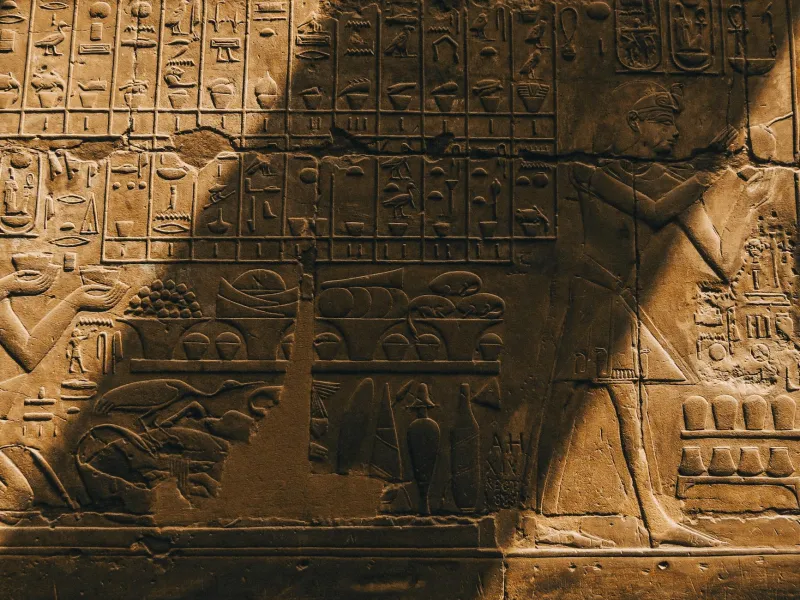
Ramesses II nearly died at the Battle of Kadesh in 1274 BCE. His army scattered, his allies fled, and the Hittite chariots had him surrounded. By most military standards, this constituted a comprehensive defeat. Yet if you visited any Egyptian temple built afterward, you would find elaborate reliefs depicting Ramesses as a lone warrior-god routing entire enemy armies through divine strength alone.
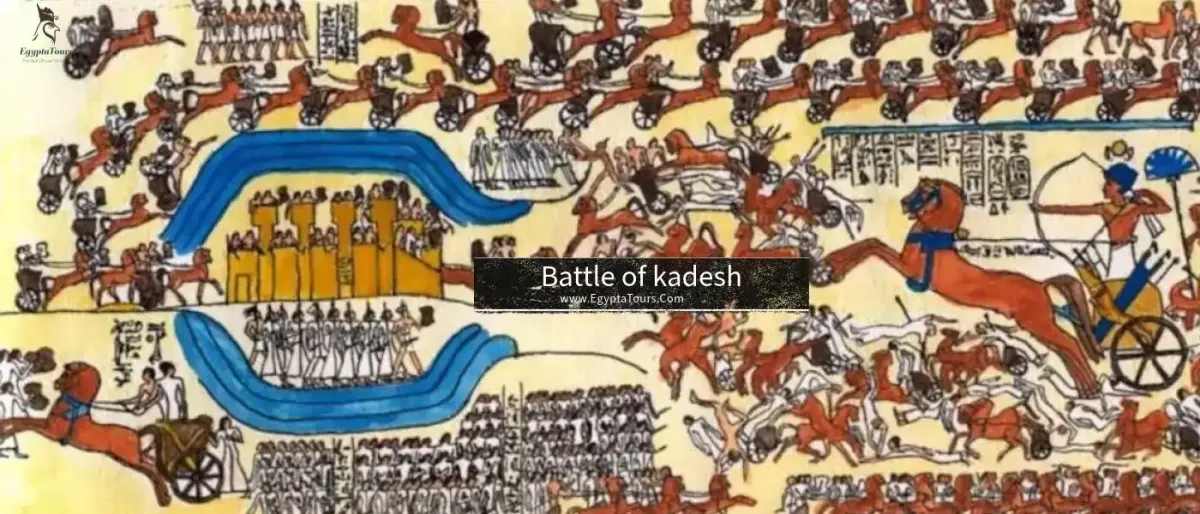 Photo: Battle of Kadesh, via egyptatours.com
 Photo: Ramesses II, via upload.wikimedia.org
The pharaoh had discovered something that would echo through every boardroom, war room, and press conference for the next five thousand years: the narrative of an event matters more than the event itself, and the person who controls the story controls the consequences.
The Mechanics of Historical Spin
The techniques Ramesses employed at Kadesh appear with mechanical regularity throughout recorded history. First, selective omission—the inconvenient details simply vanish from the official account. The pharaoh's temple carvings mention his personal heroics but neglect to record that he signed a peace treaty with the Hittites afterward, essentially acknowledging a stalemate at best.
Second, redefined metrics. When traditional measures of success prove embarrassing, successful spin artists change the measurement itself. Napoleon mastered this approach during his retreat from Moscow in 1812. What appeared to be a catastrophic military collapse became, in his bulletins to Paris, a strategic withdrawal that had accomplished its primary objective of teaching the Russians a lesson about French resolve.
 Photo: Napoleon, via www.thedigitalfix.com
Third, the weaponization of timing. Bad news gets buried during distracting events, while favorable interpretations get maximum exposure during slow news cycles. Roman generals understood this principle intimately—defeats in distant provinces were often announced during major festivals when public attention focused elsewhere.
The Psychology Behind the Performance
Modern behavioral research reveals why these ancient techniques work so reliably. The human brain processes narrative more readily than data, and first impressions create cognitive anchors that resist subsequent correction. Once Ramesses established himself as the victor of Kadesh in public consciousness, contradictory evidence required significantly more cognitive effort to accept.
This explains why corporate executives continue deploying the pharaoh's playbook with such consistency. When a CEO describes mass layoffs as "right-sizing for future growth opportunities," they are not inventing new language—they are accessing a psychological mechanism that has functioned identically since the Bronze Age.
The research on face-saving behavior confirms what ancient rulers discovered empirically: people will accept almost any alternative explanation for failure if it preserves the social order they understand. Egyptian subjects preferred to believe their pharaoh was divinely invincible rather than confront the implications of military incompetence at the highest level.
The Institutional Memory Problem
What makes this pattern particularly fascinating is how consistently organizations fail to recognize it in real-time, despite thousands of years of documented examples. The same cognitive biases that make audiences susceptible to narrative manipulation also make institutions blind to their own deployment of it.
Consider how corporate boards respond to obviously fabricated explanations for poor performance. The directors are not stupid—they often possess decades of business experience and advanced degrees. Yet they reliably accept explanations that would have made perfect sense to a Roman senator listening to a general explain why his legion got annihilated in Germania.
The problem is not intelligence but incentive structure. Just as Egyptian priests benefited from maintaining the pharaoh's divine image regardless of military reality, modern institutional leadership benefits from accepting plausible explanations for failure regardless of their accuracy.
The Eternal Return
Perhaps the most striking aspect of this behavioral pattern is how little it has evolved despite dramatic changes in communication technology and social structure. A pharmaceutical CEO explaining away clinical trial failures uses essentially the same rhetorical framework that a medieval king used to explain military defeats: external forces, unprecedented circumstances, and the fundamental soundness of the underlying strategy.
The specific vocabulary changes—"market headwinds" replaces "acts of God," and "stakeholder alignment" substitutes for "divine will"—but the psychological architecture remains identical. This suggests something profound about human nature: our need to preserve authority structures runs so deep that we will collectively maintain useful fictions rather than confront institutional failure.
The historical record provides a stark warning about this tendency. Societies that become too skilled at converting failure into narrative success often lose the capacity to recognize actual failure when it occurs. The Roman Empire spent its final centuries perfecting the art of describing barbarian invasions as strategic relocations and economic collapse as fiscal innovation.
Yet we continue to witness the same dynamic in contemporary institutions, from government agencies to Fortune 500 companies. The tools for creating accountability have never been more sophisticated, but the fundamental human psychology that enables narrative manipulation has not changed since Ramesses II commissioned his first temple carving.
The pharaoh understood something that modern leaders continue to rediscover: controlling the story of what happened is often more valuable than controlling what actually happens. That insight has proven remarkably durable across five millennia of human organization, and shows no signs of losing its effectiveness anytime soon.