The First Mover's Curse: Why Revolutions Always Wait for Someone Else to Go First

The Mathematics of Courage
On December 1, 1955, Rosa Parks didn't just refuse to give up her bus seat — she solved a mathematical problem that had paralyzed Montgomery's Black community for decades. Everyone knew the bus system was unjust. Everyone wanted change. But someone had to absorb the full legal and economic consequences of being first, and until Parks made that calculation, the boycott remained trapped in the realm of wishful thinking.
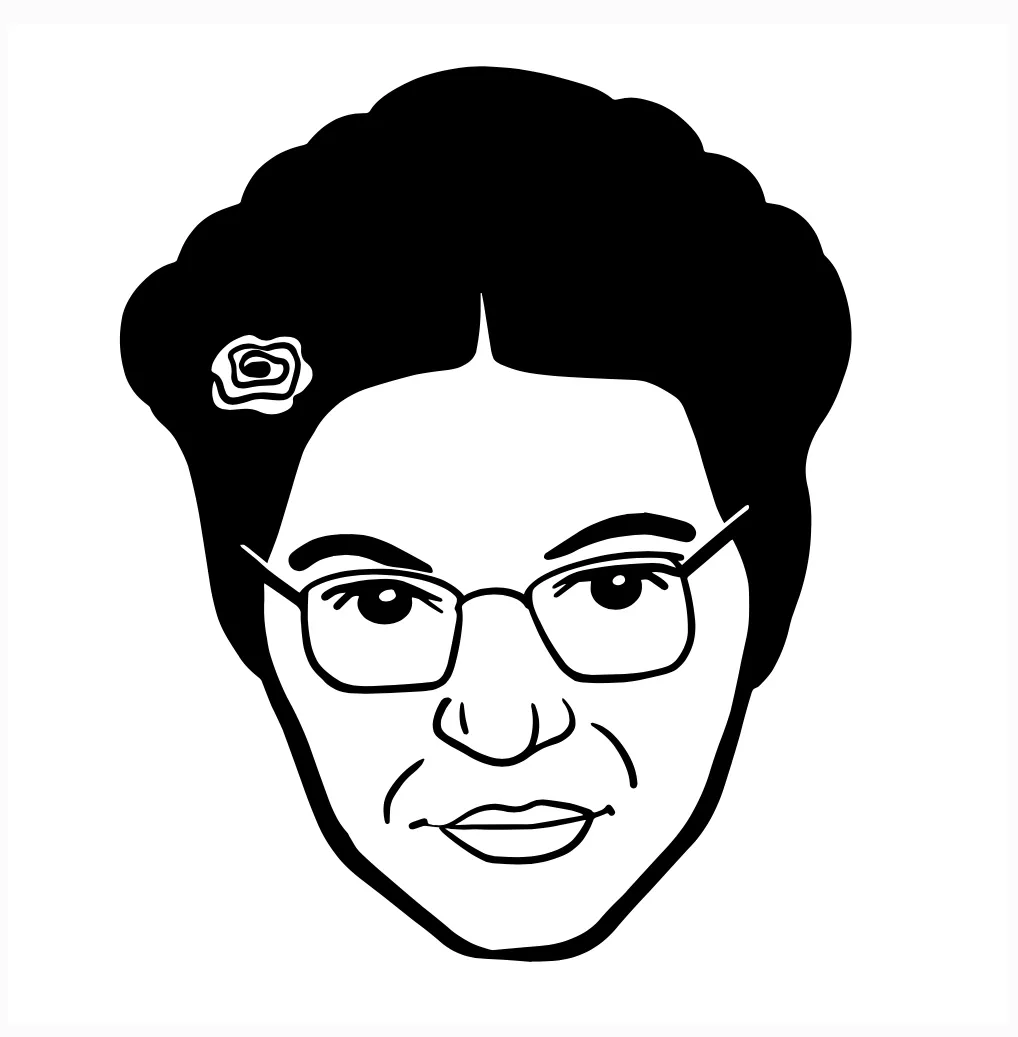 Photo: Rosa Parks, via pop-art.fun
This pattern repeats across five thousand years of recorded history: successful collective action always requires someone willing to pay the first-mover penalty, and understanding why most people won't reveals uncomfortable truths about the psychology of social change.
The Roman Precedent
The earliest documented labor strike in recorded history occurred in ancient Egypt around 1170 BCE, when royal tomb builders laid down their tools to demand overdue rations. But it was Rome that perfected the mechanics of collective defiance with the plebeian secessions — mass withdrawals of common citizens from the city until their demands were met.
What Roman historians recorded, and what modern game theorists have formalized, is that these actions succeeded only when specific individuals were willing to bear disproportionate personal costs. The first plebeians to leave the city faced arrest, property confiscation, and potential execution. Later participants joined a movement; early participants risked everything.
Plutarch's accounts reveal the psychological complexity of this dynamic. The most successful secessions began not with popular leaders or obvious martyrs, but with individuals who had already lost enough that additional punishment felt manageable. They weren't braver than their neighbors; they had different risk calculations.
The Asymmetry of Action
What historical analysis reveals is that the first mover in any high-stakes collective action operates under completely different psychological conditions than subsequent participants. Research in social psychology confirms what ancient organizers understood intuitively: people who initiate collective action are almost never responding to the same motivations as those who join later.
The first person to strike, protest, or resist faces what economists call "concentrated costs" — immediate, personal, and often severe consequences. Everyone else enjoys "diffused benefits" — shared gains with minimal individual risk. This asymmetry explains why most potential collective actions never materialize: the mathematics of motivation rarely align properly.
Modern studies of successful social movements consistently find that initial participants had unique characteristics: they were often economically independent, socially marginal, or operating under personal circumstances that made inaction more costly than action. They weren't necessarily more committed to the cause; they had less to lose.
The Calculation Behind Courage
Contrary to romantic narratives about spontaneous uprising, historical evidence suggests that successful first movers almost always act on careful private calculation rather than emotional impulse. Rosa Parks wasn't a random tired woman; she was a trained activist who had spent months with the NAACP planning exactly this scenario. Her "spontaneous" act was actually the culmination of strategic preparation.
Similarly, the Boston Tea Party wasn't a mob action but a carefully orchestrated event led by individuals who had already committed to resistance regardless of consequences. Samuel Adams and his associates had calculated that their personal situations — their debts, their political positions, their family circumstances — made them optimal candidates for absorbing first-mover costs.
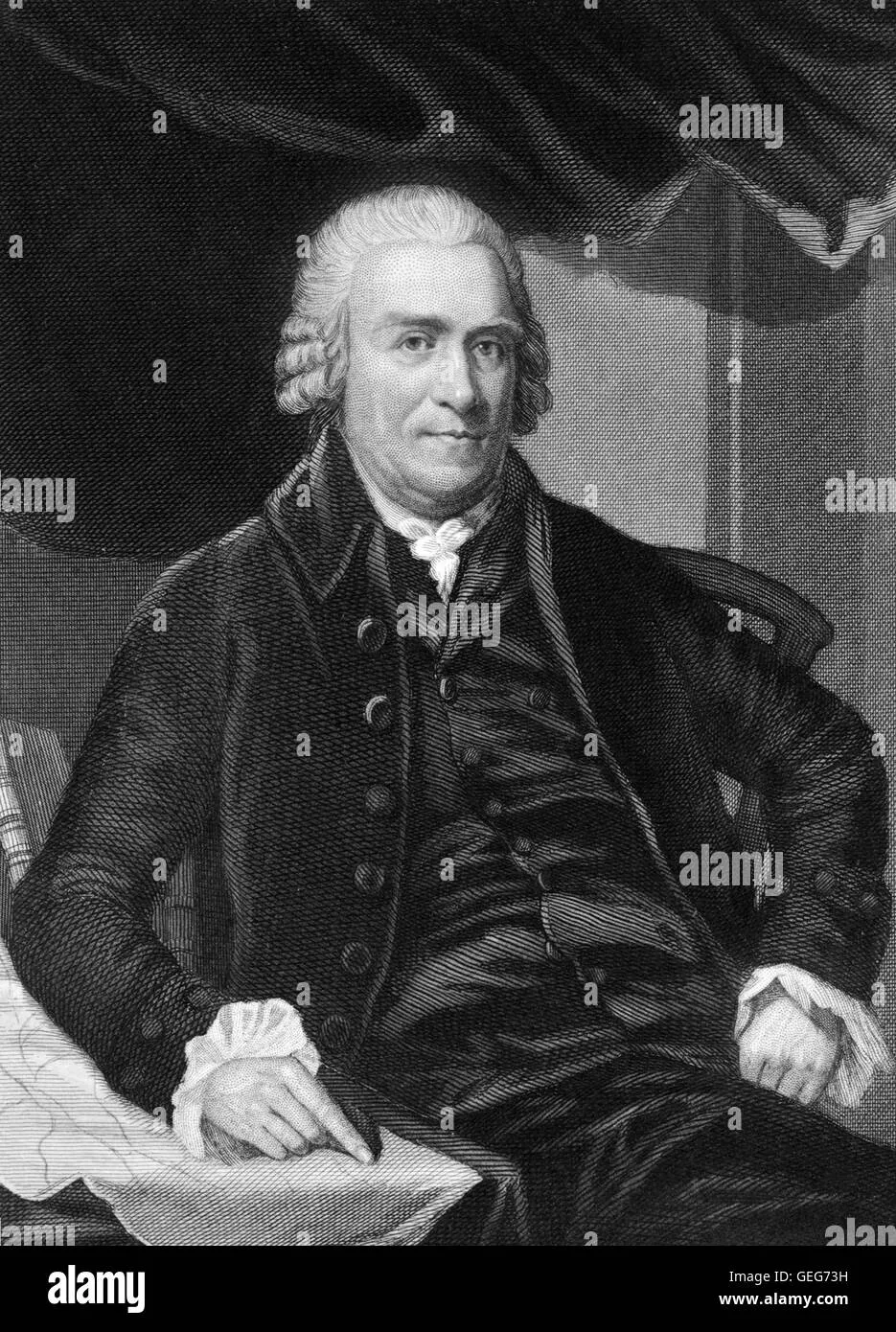 Photo: Samuel Adams, via c8.alamy.com
This pattern appears across cultures and centuries. The leaders of successful peasant revolts were typically individuals whose economic situations had already deteriorated beyond recovery. Industrial strike leaders were often workers who had been targeted for dismissal anyway. Student protest leaders were frequently those whose academic or social standing gave them unusual protection or unusual desperation.
The Manufacturing of Momentum
Understanding first-mover psychology has allowed skilled organizers throughout history to engineer the conditions that make someone willing to go first. The most successful collective actions aren't spontaneous explosions of popular anger; they're carefully constructed scenarios where the right person faces the right incentives at the right moment.
Martin Luther King Jr.'s genius lay partly in his ability to identify and cultivate potential first movers. The Montgomery Bus Boycott succeeded because Parks was both personally prepared for consequences and strategically positioned to generate sympathy. Earlier potential catalysts — including Claudette Colvin, who had refused to give up her seat months earlier — lacked the combination of personal readiness and public appeal necessary to sustain collective action.
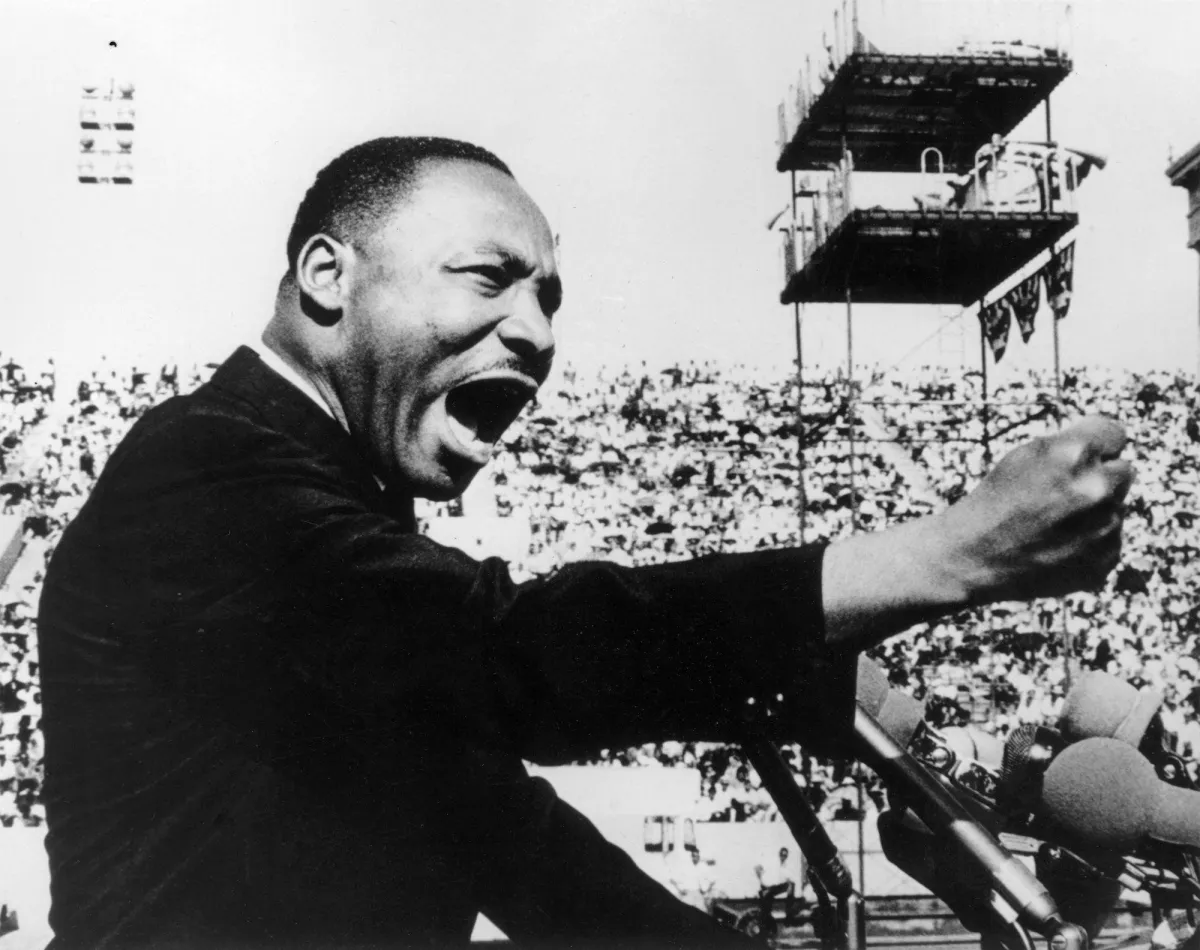 Photo: Martin Luther King Jr., via wallpapercave.com
Modern labor organizers employ similar strategies, identifying workers whose personal circumstances make them optimal candidates for initial resistance. The most effective campaigns don't wait for natural first movers to emerge; they create conditions that make first-moving psychologically feasible for specific individuals.
The Digital Paradox
Social media has created new complexities in first-mover dynamics. Digital platforms can amplify individual actions into collective movements with unprecedented speed, but they've also made the consequences of going first more severe and permanent. A single post can launch a global campaign or destroy a career.
The #MeToo movement illustrates both possibilities. Tarana Burke's initial work received little attention for years, but when celebrities like Ashley Judd and Alyssa Milano made similar accusations, the movement exploded. The difference wasn't moral courage or commitment to the cause; it was the intersection of personal circumstances, public platform, and strategic timing that made certain individuals optimal first movers.
The Institutional Response
Power structures throughout history have developed sophisticated methods for preventing the emergence of effective first movers. Roman authorities didn't just punish collective action; they created systems that made potential leaders too valuable to risk losing. Modern corporations use similar strategies: they identify potential troublemakers and either co-opt them with promotions or isolate them from colleagues.
The most effective institutional defenses against collective action don't focus on punishment after the fact; they focus on ensuring that the people most capable of going first have too much to lose. This explains why successful collective action often requires either outside agitators (people without local stakes) or inside individuals who have already lost their institutional protection.
The Enduring Mathematics
Five thousand years of human experience reveals that collective action will always depend on the willingness of specific individuals to bear disproportionate personal costs for collective benefits. This isn't a flaw in human psychology; it's an inevitable consequence of how incentives distribute across groups.
Understanding this dynamic doesn't make collective action impossible, but it does explain why most potential movements die in the planning stage. The mathematics of motivation rarely align naturally. When they do — when the right person faces the right circumstances at the right moment — the results can reshape history. But these moments are rare precisely because they require someone to solve a problem that has no good solution: how to act first when going first means going alone.