
The Problem Every Empire Discovered
When Emperor Wu of the Han Dynasty needed to remove a provincial governor in 104 BCE, he didn't simply issue a decree. Instead, the emperor awarded the man a ceremonial title, a generous pension, and a villa in the capital—far from his former power base but close enough to monitor. The governor accepted gracefully, retired quietly, and never spoke publicly about the corruption scandals that had necessitated his removal.
This wasn't mercy. It was institutional mathematics.
Every major civilization in recorded history has grappled with the same fundamental problem: how do you remove someone who knows too much without creating an enemy who has nothing left to lose? The modern corporate severance package, complete with non-disclosure agreements and extended benefits, represents the latest iteration of a solution that pharaohs, emperors, and caliphs have been refining for five millennia.
The Cicero Playbook
Roman political culture offers perhaps the clearest window into this ancient psychology. When Marcus Tullius Cicero fell from favor with Mark Antony in 44 BCE, he initially received what amounted to a generous retirement package: his properties remained untouched, his debts were forgiven, and he was offered a comfortable exile in Greece with full honors.
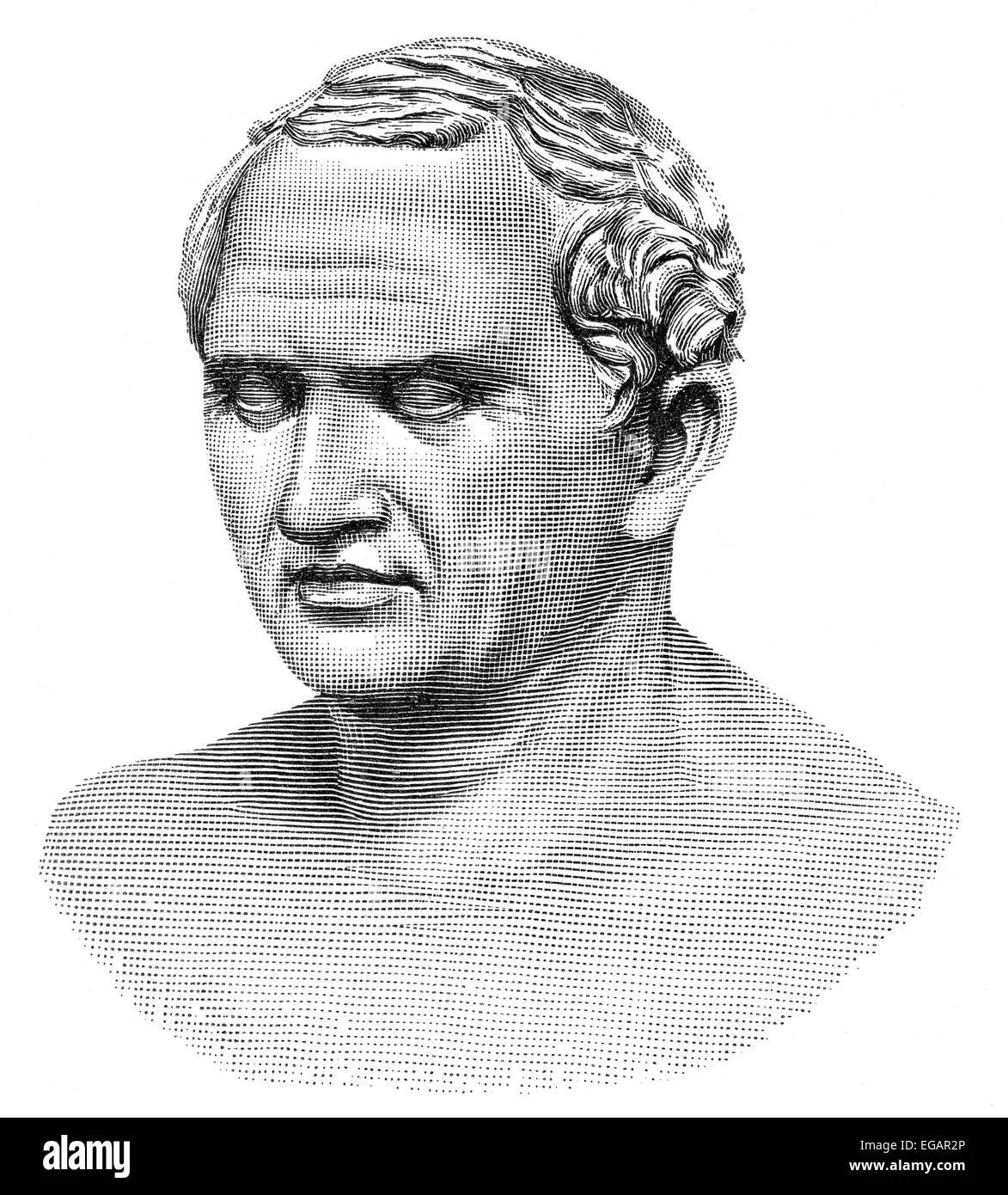 Photo: Marcus Tullius Cicero, via c8.alamy.com
Cicero rejected the offer. Within months, he was dead, his head and hands displayed in the Roman Forum as a warning to others who might refuse the empire's version of a golden parachute.
 Photo: Roman Forum, via thumbs.dreamstime.com
The contrast illustrates why these arrangements became universal: they protected both parties. The departing official received financial security and social dignity, while the institution bought silence and prevented the creation of a motivated enemy with inside knowledge.
The Mathematics of Institutional Memory
Byzantine court records from the 8th century reveal a sophisticated understanding of what modern behavioral economists call "loss aversion." When removing high-ranking officials, emperors consistently offered packages worth roughly three times the individual's annual income—a figure that contemporary research suggests represents the psychological threshold where most people will accept a loss rather than fight it.
The Abbasid Caliphate developed an even more nuanced approach. Dismissed viziers received not just money but carefully calibrated social positions: prestigious but powerless roles that preserved their dignity while ensuring their irrelevance. A former treasury minister might become the ceremonial overseer of court poetry—honored in public, neutered in practice.
These weren't arbitrary gestures of generosity. They were calculated responses to a universal human psychological pattern: people who feel humiliated by their removal become dangerous, while those who feel compensated become complicit in their own silence.
The Medici Innovation
Florentine banking records from the 15th century show how the Medici family revolutionized the severance concept by introducing what we might recognize as the modern non-compete clause. Dismissed bank managers received generous settlements but were required to leave Florence entirely and were prohibited from working in finance for a specified period.
More importantly, the Medici understood that the most dangerous departing employees weren't those who had been stealing, but those who had been performing well. A corrupt official could be discredited; a competent one with grievances could establish a rival operation.
This insight explains why the most generous historical severance packages often went to the most capable officials. When Suleiman the Magnificent removed his grand vizier Ibrahim Pasha in 1536, he provided a settlement so lavish that it funded Ibrahim's family for three generations—even though Ibrahim was executed shortly afterward. The message to other officials was clear: loyalty would be rewarded even in death, but disloyalty would be punished beyond it.
 Photo: Suleiman the Magnificent, via astrologyspark.com
The Modern Inheritance
Today's corporate severance packages follow patterns established by ancient institutions with remarkable precision. The typical executive severance of 12-24 months salary mirrors the Roman standard of providing departing governors with enough wealth to maintain their lifestyle for two full years. Non-disclosure agreements echo Byzantine requirements that dismissed officials swear sacred oaths never to discuss court business.
Even the psychological framework remains unchanged. Modern HR departments, like ancient palace administrators, have learned that the most dangerous departing employee isn't the one who was caught stealing expense reports, but the one who was performing well until they learned something they shouldn't have.
The Timeless Psychology
The persistence of this pattern across cultures and millennia reveals something fundamental about human institutional behavior. Organizations that accumulate power inevitably accumulate secrets, and secrets create vulnerability to anyone with access who might become disgruntled.
The severance package—whether it consists of Roman gold, Medici florins, or modern stock options—represents humanity's most durable solution to this dilemma. It transforms a potential enemy into a pensioner, a whistleblower into a beneficiary.
Five thousand years of institutional history suggest that as long as humans organize into hierarchies that generate both power and secrets, some version of the golden handshake will remain indispensable. The psychology that made it necessary for Han emperors makes it necessary for Fortune 500 CEOs: people who feel wronged by powerful institutions will seek revenge unless they feel compensated by them instead.
The only thing that has changed is the currency.