When the Colosseum Went Silent
Emperor Commodus believed the roars of approval that greeted his gladiatorial performances reflected genuine popular support. The crowds cheered wildly as he slaughtered defenseless animals and staged rigged combats against terrified opponents. The applause was thunderous, the approval seemingly universal. Then, in 192 AD, he was strangled in his bath by conspirators who included many of the same senators who had cheered loudest at his games.
The emperor had made the same mistake that has destroyed leaders across five millennia: he confused public performance with private belief. The psychology behind this error is as predictable as it is persistent.
The Anatomy of Artificial Enthusiasm
Human beings are remarkably skilled at producing convincing displays of emotions they don't actually feel. This isn't deception in the conscious sense — it's a survival mechanism refined over thousands of years of living in hierarchical societies where expressing the wrong opinion could be fatal.
Social psychologists call this "preference falsification" — the gap between what people say in public and what they believe in private. But the phenomenon predates the terminology by millennia. Ancient Greek historians documented how Athenian citizens would cheer for policies in the agora that they privately opposed, creating the illusion of consensus where none existed.
The larger and more public the gathering, the more pronounced this effect becomes. In crowds, individual skepticism gets overwhelmed by collective performance. People don't just pretend to agree — they temporarily convince themselves they agree, caught up in the emotional contagion of mass approval.
The Revolutionary Mirage
The French Revolution provides perhaps the most dramatic example of how public enthusiasm can mask private doubt. The crowds that gathered to cheer revolutionary speeches in 1792 seemed to represent the unified will of the people. Visitors to Paris wrote breathlessly about the passion and commitment they witnessed in public squares.
Yet when the revolution began consuming its own leaders, that same passionate crowd turned with equal fervor against the very figures they had recently celebrated. Robespierre discovered that the cheers that had sustained him were as shallow as they were loud. The guillotine that claimed his head was surrounded by citizens who cheered just as enthusiastically for his execution as they had for his speeches.
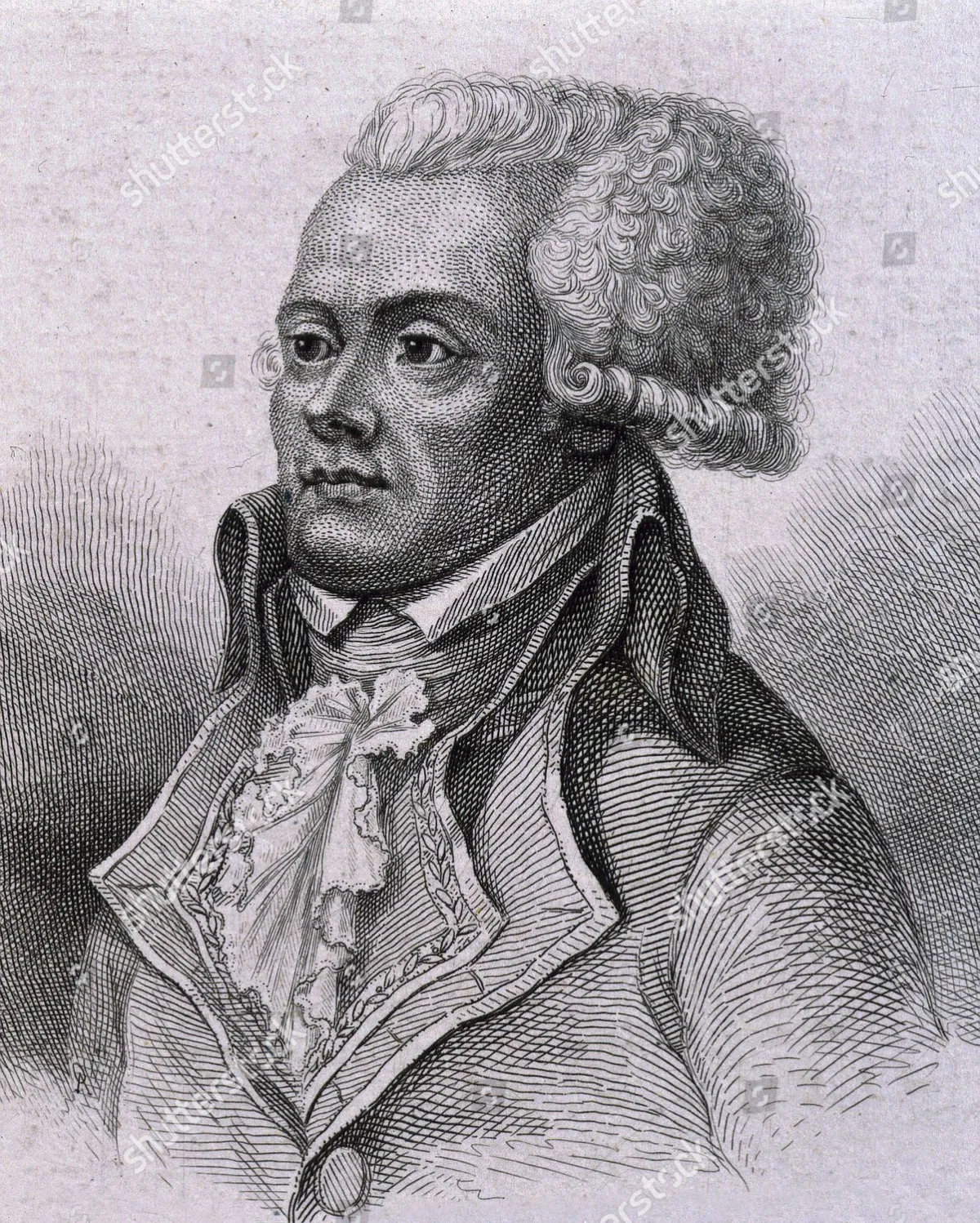 Photo: Robespierre, via editorial01.shutterstock.com
The revolutionary leaders had mistaken the theater of politics for politics itself. They failed to understand that public demonstrations of support are often inversely related to private conviction — the louder the performance, the less authentic the sentiment.
American Rallies and the Enthusiasm Trap
Modern American political rallies follow the same psychological patterns that have operated for thousands of years. The candidate on stage sees thousands of supporters, hears thunderous applause, and concludes that this represents broader public opinion. But rally attendance is the least representative sample of voter sentiment possible.
The people who attend political rallies are not a random cross-section of the electorate — they're the most committed supporters, the ones willing to invest time and energy in public displays of allegiance. More importantly, they're people who have already decided to participate in a collective performance of enthusiasm.
Psychological studies consistently show that people in crowds behave differently than they do in private. The social pressure to conform, the emotional amplification of group dynamics, and the performance expectations of public gatherings all combine to produce displays of enthusiasm that exceed private conviction.
The Dictator's Delusion
Twentieth-century dictators fell into this trap with remarkable consistency. Hitler believed the massive rallies at Nuremberg reflected genuine popular support for Nazi ideology. Stalin was convinced that the thunderous applause at Communist Party congresses represented authentic revolutionary fervor. Mussolini interpreted the cheers of organized crowds as evidence of his personal charisma.
All three failed to understand that authoritarian systems are particularly effective at generating artificial enthusiasm. When dissent is dangerous, approval becomes performance. When attendance is mandatory, applause becomes theatrical. The more coercive the system, the more convincing the displays of support — and the less they actually mean.
East German archives, opened after reunification, revealed the sophisticated machinery behind public enthusiasm in communist states. The Stasi didn't just monitor dissidents — they orchestrated demonstrations, managed crowd reactions, and created the illusion of popular support through careful choreography. The leaders who believed in this manufactured enthusiasm were often the most surprised when their regimes collapsed.
The Social Media Amplification
Digital platforms have supercharged humanity's ancient tendency to mistake noise for belief. Social media metrics — likes, shares, comments — create the same psychological trap that has ensnared leaders throughout history, but with unprecedented speed and scale.
The algorithms that govern social media platforms are designed to amplify engagement, not accuracy. They reward content that generates strong reactions, regardless of whether those reactions reflect genuine conviction or momentary emotion. Political leaders who rely on social media metrics to gauge public opinion are making the same error as Roman emperors who believed gladiatorial crowds.
The Silence After the Storm
History's most reliable pattern is the speed with which public enthusiasm can evaporate when real commitment is required. The crowds that cheered for war in 1914 grew silent as casualty lists lengthened. The citizens who applauded revolutionary rhetoric in 1789 withdrew their support when revolution required personal sacrifice.
Public displays of enthusiasm are emotional events, not political commitments. They reflect momentary feelings, not enduring convictions. Leaders who understand this distinction can navigate the gap between public performance and private opinion. Those who don't often discover the difference too late.
The Eternal Echo Chamber
Every generation of leaders rediscovers the same truth: the cheers of supporters are the most dangerous sound in politics. They create the illusion of broader support, encourage increasingly extreme positions, and insulate leaders from the very feedback they most need to hear.
The next time you see a leader basking in the applause of a friendly crowd, remember that you're witnessing one of history's most reliable patterns. The louder the cheers, the greater the risk that the leader has mistaken performance for reality — and the more likely that the silence, when it comes, will be deafening.