Sworn to Silence: How Ancient Courts Invented Corporate Secrecy and the Whistleblowers Who Always Followed
Sworn to Silence: How Ancient Courts Invented Corporate Secrecy and the Whistleblowers Who Always Followed
In 2016, when former Fox News anchor Gretchen Carlson filed her sexual harassment lawsuit against Roger Ailes, she had to navigate a maze of non-disclosure agreements that had silenced other women for years. The legal machinery of institutional silence felt thoroughly modern—binding contracts, financial penalties, career destruction for those who spoke out. But Carlson was actually participating in a ritual as old as organized power itself.
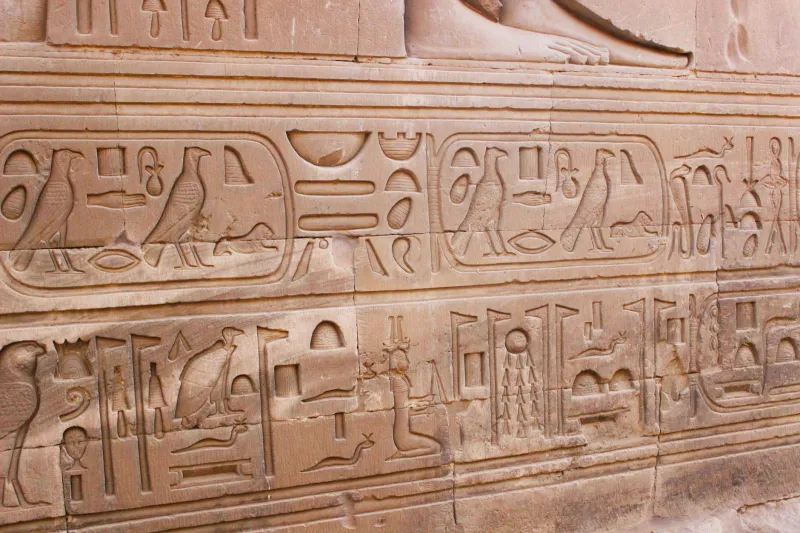
Three thousand years before Silicon Valley executives started requiring janitors to sign NDAs, the scribes who recorded Pharaoh Ramesses II's military defeats were swearing sacred oaths never to reveal what they had written. The tablets they carved in cuneiform included not just the official version of events, but detailed inventories of Egyptian losses, casualty reports, and strategic failures that could have undermined the entire kingdom if they had reached enemy hands—or even Egyptian citizens.
The Sacred Silence of Ancient Bureaucracy
The earliest evidence of institutional secrecy comes from Mesopotamian administrative archives, where palace scribes took binding oaths to the gods before they were allowed access to royal correspondence. These weren't casual promises. Breaking the oath meant not just execution, but spiritual damnation—a psychological pressure that made modern severance packages look generous by comparison.
Yet the same archives that contain these loyalty oaths also contain evidence of their systematic violation. Babylonian court records from the 7th century BCE document case after case of "loose-tongued scribes" who sold royal secrets to merchants, rival kingdoms, or anyone willing to pay. The penalties grew increasingly severe—from fines to mutilation to public execution—but the leaks never stopped.
The pattern was already clear: the more desperately an institution tried to control information, the more valuable that information became to the people who possessed it. Human psychology hasn't budged an inch in the intervening millennia.
Rome's Corporate Culture of Fear
By the time Augustus Caesar consolidated power in Rome, the imperial household had evolved into something that would be familiar to any modern corporate whistleblower. Slaves, freedmen, and even senators who worked within the emperor's inner circle were bound by increasingly complex webs of mutual surveillance and enforced silence.
Pliny the Younger's letters describe a system where imperial staff members were encouraged to report on each other's conversations, where casual dinner party gossip could result in exile or death, and where the safest strategy was to know as little as possible about what your colleagues were actually doing. The psychological pressure was so intense that many court officials developed what we would now recognize as symptoms of chronic anxiety—insomnia, digestive problems, and paranoid behavior that made them even less trustworthy.
The irony, of course, was that this culture of fear produced exactly the opposite of its intended effect. Instead of loyal, discreet servants, the imperial court bred a generation of strategic leakers who carefully cultivated relationships with senators, historians, and foreign diplomats. When they finally decided to betray imperial secrets, they did so with the methodical precision of people who had spent years planning their escape routes.
The Economics of Betrayal
What ancient rulers discovered—and what modern corporations are still learning—is that secrecy creates its own black market. In Han Dynasty China, court eunuchs who were privy to imperial succession plans could retire wealthy by selling advance notice to the right merchants and provincial governors. The more severe the penalties for disclosure, the higher the prices they could command.
The psychological mechanism is straightforward: when people are forced to carry valuable secrets, they inevitably begin to think of those secrets as assets they own rather than information they're protecting. The transition from loyal servant to potential whistleblower isn't a moral failing—it's a predictable response to the cognitive dissonance of being simultaneously trusted and threatened by the same institution.
Modern research on organizational behavior has confirmed what ancient rulers learned through trial and error: employees who are subject to excessive secrecy requirements report lower job satisfaction, higher stress levels, and reduced loyalty to their employers. They're also statistically more likely to engage in what researchers euphemistically call "counterproductive work behaviors"—including strategic information sharing with outsiders.
The Whistleblower's Ancient Playbook
The techniques that ancient leakers used to protect themselves while revealing institutional secrets would be instantly recognizable to anyone familiar with modern whistleblowing cases. They cultivated relationships with multiple potential recipients for their information, ensuring that no single revelation could be traced back to them. They mixed genuine secrets with plausible rumors, making it harder for authorities to identify the source. And they often waited years between their initial decision to leak and their actual disclosure, using the intervening time to build financial security and political protection.
A papyrus fragment from Ptolemaic Egypt describes a palace scribe who spent three years carefully copying sensitive documents before selling them to a Roman merchant. When he was eventually caught, investigators discovered that he had been systematically documenting not just royal correspondence, but also the surveillance methods used to monitor other potential leakers. His betrayal was so thorough and well-planned that it compromised the entire palace security system.
The scribe's motivation, according to his interrogation records, wasn't ideological or financial—it was psychological. He had grown to resent the constant suspicion under which he worked, the assumption that he was always on the verge of betrayal. Eventually, that assumption became a self-fulfilling prophecy.
The Eternal Return of Institutional Paranoia
Every few decades, American corporations rediscover the ancient lesson about secrecy and loyalty, usually in the context of a major leak or whistleblowing incident. They respond by tightening their non-disclosure agreements, expanding their surveillance systems, and creating more severe penalties for information sharing. The cycle repeats with clockwork precision, because the underlying psychology never changes.
People who are treated as potential traitors will eventually start thinking like actual traitors. Institutions that try to control information through fear will create the very resentments that make their secrets valuable to outsiders. And employees who are forced to choose between their conscience and their career will increasingly choose their conscience—especially when they realize that their employers' loyalty to them extends only as far as their usefulness.
The pharaohs learned this lesson. The emperors learned it. The kings and presidents and CEOs learned it. But somehow, each new generation of institutional leaders believes they can perfect the ancient art of enforced silence, never recognizing that they're fighting a battle against human nature itself—and that human nature has never once lost.