The Gathering That Accomplished Nothing
In 1807, Napoleon Bonaparte wrote a frustrated letter to his minister of war: "I have just spent four hours in council discussing the supply situation in Poland. Every general spoke at length about the importance of logistics. Every quartermaster explained why current arrangements were inadequate. Every aide-de-camp offered detailed suggestions for improvement. At the end of this exercise, we had accomplished exactly what we could have achieved in ten minutes of direct orders: nothing has changed, but everyone feels they have been consulted."
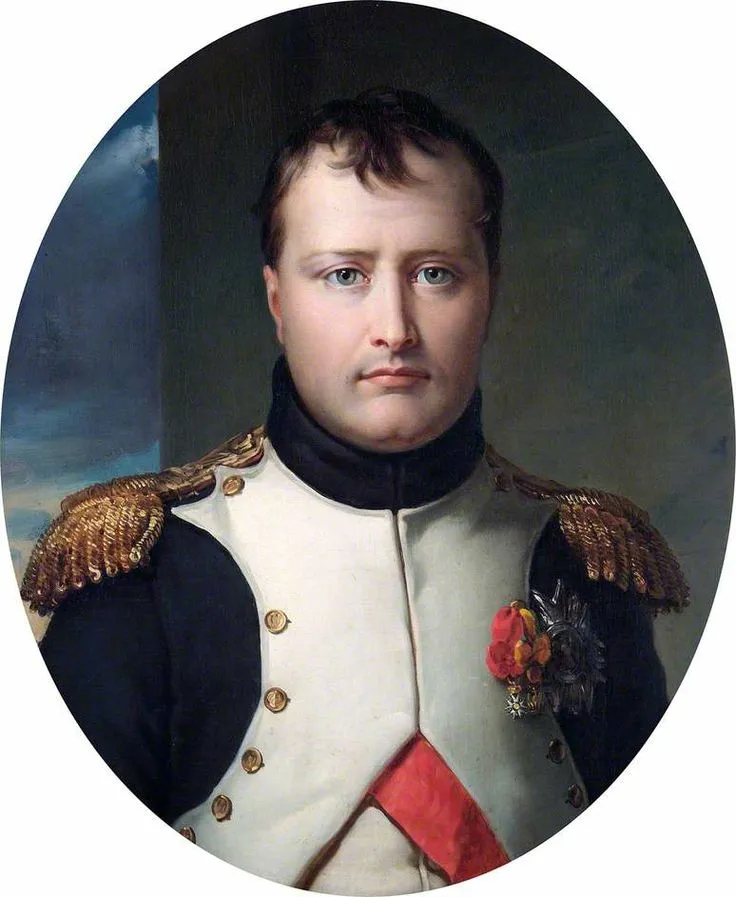 Photo: Napoleon Bonaparte, via i.pinimg.com
The Emperor had discovered something that Assyrian administrators documented on clay tablets two millennia earlier: the performative meeting, a social ritual designed to distribute responsibility while avoiding actual decision-making. This technology has proven remarkably durable across every form of human organization, from ancient bureaucracies to modern corporations.
The Archaeological Evidence of Wasted Time
Cuneiform tablets from the Neo-Assyrian Empire (911-609 BCE) contain detailed records of administrative gatherings that follow patterns immediately recognizable to anyone who has endured a contemporary corporate meeting. Officials would convene to discuss grain distribution, tax collection, or military logistics. Scribes dutifully recorded lengthy speeches from various participants. The tablets conclude with phrases essentially meaning "further discussion required" or "committee will reconvene to address outstanding issues."
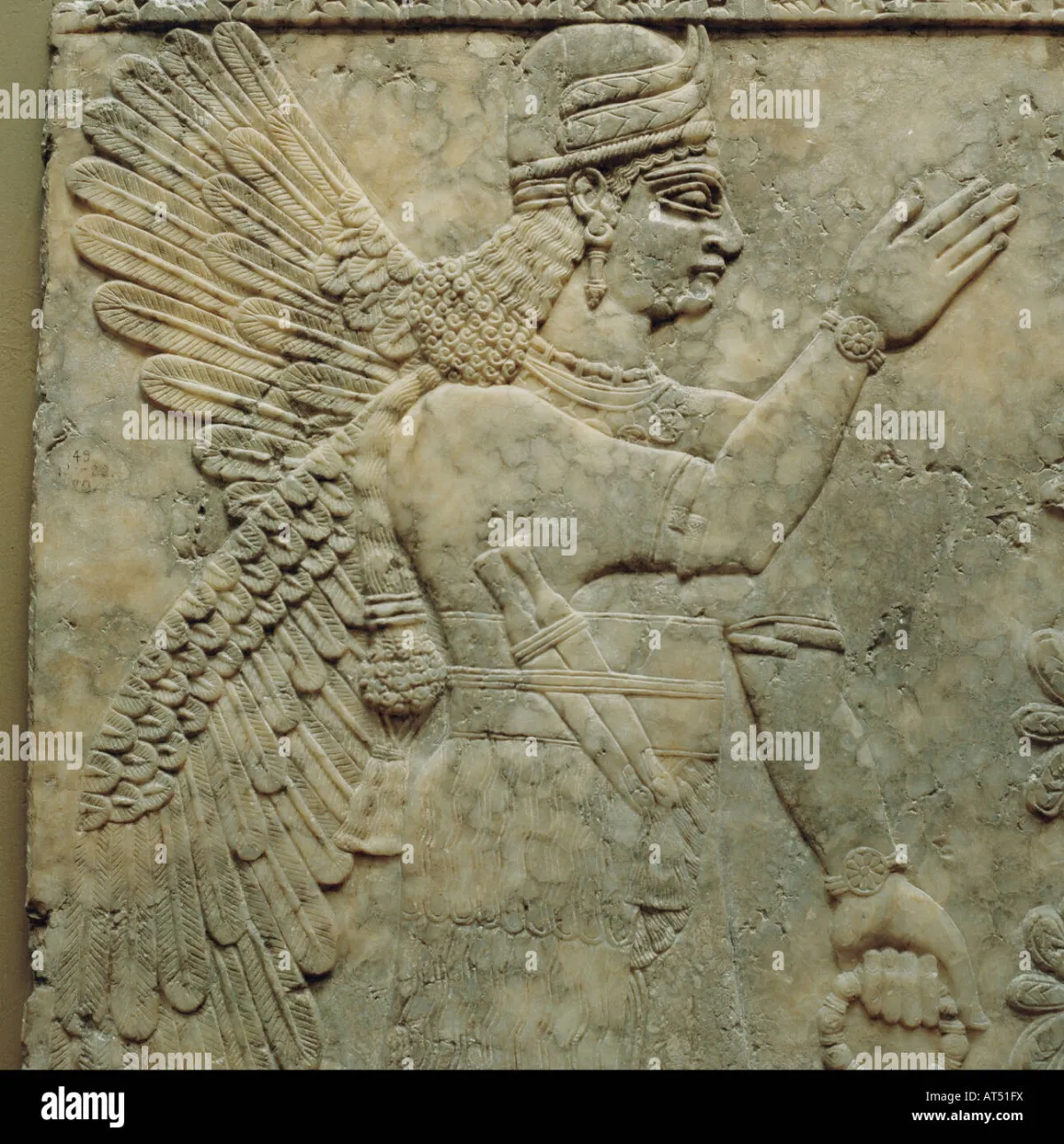 Photo: Neo-Assyrian Empire, via c8.alamy.com
What makes these ancient records particularly illuminating is their bureaucratic honesty. Unlike modern meeting minutes that often fabricate decisive outcomes, Assyrian scribes recorded the actual results: most gatherings ended without resolution, with responsibility diffused among participants and actual decisions deferred to future sessions that often never occurred.
Similar patterns appear in Ming Dynasty court records from the 15th century. Imperial bureaucrats would spend days debating policy proposals, with each department head delivering prepared remarks about jurisdictional concerns and resource requirements. Contemporary accounts describe these sessions as elaborate theater, where the real objective was demonstrating proper deference to hierarchy rather than solving administrative problems.
 Photo: Ming Dynasty, via cdn.britannica.com
The Psychology of Productive-Looking Inaction
Behavioral research explains why this social technology has survived every management revolution in recorded history. Humans possess a powerful cognitive bias toward equating discussion with progress, especially in group settings where individual responsibility becomes diffused. The mere act of convening a meeting creates the psychological impression that important work is being accomplished, regardless of actual outcomes.
This explains why even obviously dysfunctional meeting cultures persist within otherwise efficient organizations. The psychological satisfaction of "addressing the issue" through group discussion often substitutes for the more difficult work of actually solving problems. Participants leave feeling that they have contributed meaningfully to institutional decision-making, even when no decisions were made.
The phenomenon becomes particularly pronounced in hierarchical organizations, where meetings serve as vehicles for performing engagement rather than creating engagement. Subordinates demonstrate attention and concern through participation, while leadership demonstrates inclusiveness through consultation. The actual utility of the gathering becomes secondary to its social function.
The Authority Distribution Mechanism
What makes performative meetings particularly useful to institutional power is how they distribute responsibility without surrendering control. By convening consultations on difficult decisions, leaders create the appearance of collaborative decision-making while retaining ultimate authority over outcomes. If decisions prove unpopular, the consultation process provides political cover. If decisions succeed, leadership receives credit for wise consultation.
Roman Senate records demonstrate this dynamic with remarkable clarity. Emperors would convene senatorial debates on controversial policies, allowing extensive discussion from all parties. The transcripts show that these sessions rarely influenced actual policy, but they provided valuable political theater that made autocratic decisions appear democratically considered.
Modern corporate governance follows identical patterns. Board meetings, executive committees, and stakeholder consultations often serve primarily to create documentation that proper processes were followed, regardless of whether those processes generated useful input for decision-making.
The Digital Amplification
Contemporary technology has amplified the performative meeting phenomenon without fundamentally altering its psychology. Video conferencing tools have made it easier to convene larger groups for longer periods, while collaborative software creates new opportunities for participants to demonstrate engagement through digital participation.
The result has been an explosion in meeting frequency without corresponding improvements in decision-making quality. Studies of corporate productivity consistently show inverse relationships between time spent in meetings and actual output, yet organizations continue expanding their meeting cultures in response to coordination challenges.
This suggests that meetings serve psychological and political functions that are largely independent of their stated objectives. The comfort of group consultation, the political safety of distributed responsibility, and the social satisfaction of feeling heard all contribute to meeting proliferation regardless of efficiency concerns.
The Eternal Return of Collaborative Paralysis
Perhaps the most striking aspect of meeting culture is how consistently it regenerates itself despite periodic reform efforts. Every generation of managers discovers the inefficiency of excessive meetings and implements solutions: shorter durations, clearer agendas, required outcomes, limited participants. Yet within a few years, meeting loads typically return to previous levels as the underlying psychological drivers reassert themselves.
This pattern appears throughout institutional history. Reformist administrators in ancient China, medieval Europe, and colonial America all implemented measures to reduce bureaucratic consultation and accelerate decision-making. Contemporary records show that these reforms typically succeeded temporarily before being gradually undermined by the same social pressures that created the original problems.
The persistence of performative meetings across such diverse organizational contexts suggests something fundamental about human institutional psychology. Our need to feel consulted, to demonstrate engagement, and to distribute responsibility for difficult decisions appears to be stronger than our preference for efficiency.
Napoleon's frustration with his war council meetings was shared by countless leaders throughout history, from Roman emperors to modern CEOs. Yet the same leaders who complained about meeting inefficiency continued to convene them, because the alternative—making unilateral decisions without consultation—carried political risks that outweighed productivity concerns.
The historical record suggests that meetings will continue serving their psychological and political functions regardless of their impact on organizational effectiveness. The human need for collaborative ritual appears to be stronger than the human preference for efficient decision-making, which explains why every attempt to eliminate pointless meetings eventually gives way to their enthusiastic reinvention.