The Oldest Spin Playbook: How Ancient Rulers Survived Being Hated
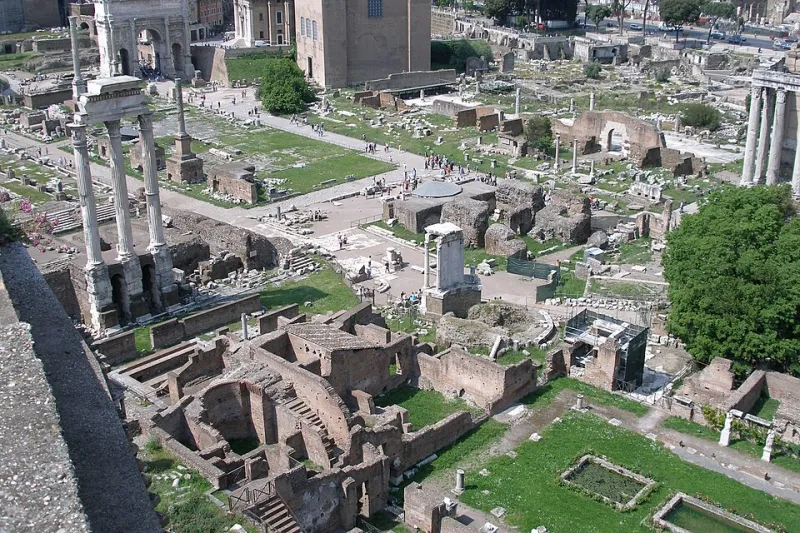
Photo: Vyacheslav Argenberg, CC BY 4.0, via Wikimedia Commons
Every modern politician who has watched an approval number sink knows the reflex: change the subject, find a scapegoat, get photographed handing out relief. None of this was invented last century. The historical record of the ancient world reads, at times, like a consultant's deck — five thousand years of rulers confronting the problem of being disliked, and reaching for the same small set of moves. Here are seven of them, and one observation about what they share.
1. Blame the Advisors
The most durable trick in the repertoire. When the Egyptian vizier's policies soured or a Chinese dynasty lost the Mandate of Heaven's popular favor, the sovereign remained sacred while the ministers absorbed the blame. The Roman Senate watched emperors sacrifice a prefect or a freedman to public fury with grim regularity. The structure is elegant: the leader's judgment is never wrong; someone below him failed to execute it. Modern chiefs of staff occupy exactly this designated casualty position.
2. Stage the Grain Distribution
Nothing buys popularity like bread, literally. Roman emperors from Caesar onward treated the grain dole and public games as core political machinery — Juvenal's "bread and circuses" was a complaint about how well the tactic worked. When a ruler's standing sagged, a well-timed distribution of food or spectacle reset the ledger. The modern equivalent is the disaster-relief photo opportunity: the substance matters less than the visible act of provision.
3. Manufacture a Victory
An unpopular ruler at war is a ruler with a story. The record of ancient kings commissioning campaigns with transparently domestic motives is long enough to constitute its own genre. The rhetoric of the manufactured war — unity, resolve, the nation tested — has changed almost not at all, only the scale of the canvas.
4. Build Something Visible
Monumental construction was never merely architectural. Pharaohs raised pyramids and Romans raised baths because a visible, useful, permanent object lets the public literally live inside the ruler's beneficence. The bridge, the stadium, the highway project: the ancient logic of the ribbon-cutting persists intact.
5. Perform Accessibility
The emperor who ate with common soldiers, the king who heard petitions in person — these gestures were calculated theater, and the sources tell us audiences knew it and were moved anyway. Performed proximity works on the human mind even when the mind knows it is a performance. The diner-counter candidate is running the same play.
6. Find a Foreign Scapegoat
When internal grievances threatened cohesion, the ancient remedy was an external one. Persian kings, Roman emperors, and countless Mesopotamian rulers redirected popular anger toward enemies at the border. The tactic requires no sophistication, which is precisely why it never falls out of use.
7. Rewrite the Record
Egyptian pharaohs simply erased disgraced predecessors from inscriptions. Roman emperors practiced damnatio memoriae — chiseling a fallen rival's face off monuments. History was edited because history was understood to be the approval rating of the future. The modern version is subtler — the rebranded legacy, the quietly deleted record — but the impulse is identical.
The Common Thread
What every tactic on this list shares is that none of them addresses the underlying grievance. Not one improves the grain supply through policy, resolves the war through diplomacy, or corrects the failure through reform. They are all, instead, acts of narrative management — attempts to change how the ruler is perceived rather than what the ruler has done.
That is the five-millennium lesson, and it is not a cynical one so much as a diagnostic one. When a modern political figure reaches for the scapegoat, the spectacle, or the staged distribution, the move is not evidence of creativity. It is evidence of an old and well-understood pattern: popularity problems are almost never solved in the ancient playbook. They are only survived.