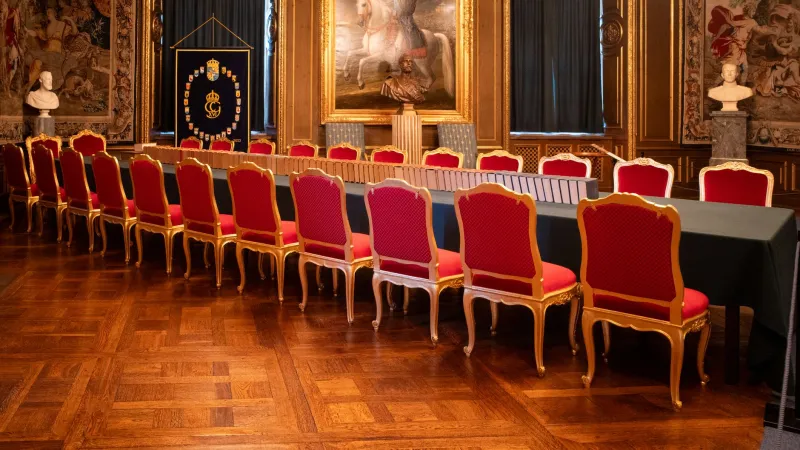
Strategic Delays: Why Power Has Always Kept People Waiting
The Architecture of Anticipation
The approach to Pharaoh Khufu's audience chamber stretched nearly 500 feet through the Great Pyramid's interior passages. Petitioners crawled through narrow corridors, climbed steep inclines, and waited in antechambers for hours or days before reaching the pharaoh's presence. This journey was not accidental—it was engineered psychological theater designed to diminish the visitor while amplifying royal authority.
 Photo: Great Pyramid, via res.cloudinary.com
Archaeological evidence from multiple Egyptian sites reveals consistent patterns in royal architecture: long approach routes, multiple waiting areas, and physical discomforts that increased with proximity to power. The message was unmistakable—access to authority required submission to its temporal demands. Time became the pharaoh's first and most effective weapon.
This architectural psychology persisted across civilizations because it exploited fundamental aspects of human cognition. Waiting activates anxiety, uncertainty creates deference, and physical discomfort undermines confidence. By controlling time, authorities controlled the psychological state of everyone seeking their attention.
Medieval Masters of Delay
Papal politics perfected the strategic use of waiting as a diplomatic tool. Cardinal Alessandro Farnese's letters from the 1534 conclave describe spending seventeen days in Vatican antechambers before gaining five minutes with Pope Paul III. This delay wasn't administrative inefficiency—it was calculated humiliation designed to remind even powerful church officials of their subordinate status.
The Vatican's approach to strategic waiting became a model for European courts. Detailed records from the Papal Archives reveal systematic patterns: more important visitors waited longer, not shorter periods. A duke might wait three days while a merchant gained immediate audience. This counterintuitive system sent clear signals about the relationship between temporal power and spiritual authority.
French court records from the same period document similar patterns. Cardinals who controlled vast territories and commanded armies found themselves cooling their heels in papal waiting rooms, their temporal power neutralized by spiritual hierarchy. The message transcended any particular meeting's content—it established the fundamental relationship between the parties before any words were exchanged.
The Versailles Machine
Louis XIV transformed strategic waiting into performance art. The Sun King's morning lever required courtiers to arrive hours before dawn to compete for the privilege of watching him dress. This wasn't royal vanity—it was political engineering that converted France's most powerful nobles into anxious supplicants.
The system worked through manufactured scarcity. Only limited courtiers could attend each ritual, creating intense competition for access. Nobles who commanded thousands of soldiers and vast estates found themselves desperately seeking permission to hand the king his shirt. The psychological transformation was profound—warriors became waiters, and territorial magnates became time-dependent petitioners.
Versailles records document the system's effectiveness through attendance logs and noble correspondence. Dukes who missed morning rituals reported feeling politically isolated. Counts who gained regular access described euphoric relief. The king's time became the currency that determined political survival, and courtiers organized their entire lives around his schedule.
American Executive Theater
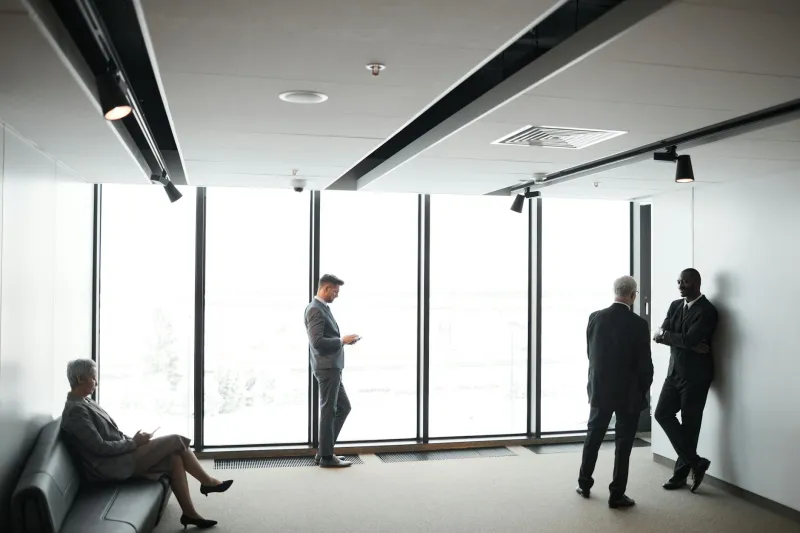
Modern corporate America inherited these patterns through cultural transmission rather than conscious design. The executive who is perpetually "just finishing up a call" employs the same psychological mechanisms that Egyptian pharaohs built into pyramid architecture. The corner office with its outer reception area recreates the antechamber system that papal politics perfected.
Contemporary business culture has refined these techniques with scientific precision. Research in organizational psychology demonstrates that waiting times communicate status more effectively than titles, salaries, or office size. A vice president who waits thirty minutes for a CEO meeting receives a clearer message about hierarchy than any organizational chart could provide.
The digital age has amplified rather than eliminated strategic delays. Email response times, meeting scheduling, and callback patterns all function as modern waiting rooms. The executive who responds to some emails within minutes while leaving others unanswered for days sends signals as clear as any pharaonic architecture.
The Psychology of Temporal Power
Why does making people wait communicate dominance so effectively? Cognitive psychology research identifies several converging mechanisms. Time represents a finite resource that everyone values equally, making its allocation a universal signal of priority. Waiting creates anxiety that reduces cognitive function and decision-making ability. Uncertainty about wait duration prevents effective planning and increases psychological dependence on the authority figure.
Perhaps most importantly, controlling someone's time demonstrates the ability to impose costs without providing benefits. This asymmetric relationship—where one party can inflict inconvenience while the other must accept it—establishes hierarchy more clearly than any verbal declaration of authority.
Neurological studies using fMRI technology reveal that waiting activates the same brain regions associated with physical pain and social rejection. Strategic delays literally hurt, creating negative associations with challenging authority while positive emotions become linked to eventual access.
The Modern Waiting Game
Contemporary institutions continue these patterns because they remain psychologically effective. Medical offices, government agencies, and corporate headquarters all employ strategic delays to manage relationships with clients, citizens, and employees. The mechanisms persist because they serve institutional needs for control while satisfying psychological expectations about hierarchy.
However, modern waiting differs from historical precedents in important ways. Digital communication creates expectations for immediate response that conflict with traditional delay tactics. Social media provides alternative channels for attention and validation that reduce dependence on institutional access. Competitive markets punish organizations whose delay strategies alienate customers or talent.
The most successful modern institutions thread this needle by using delays selectively. They provide immediate response to routine matters while reserving strategic delays for high-stakes interactions where hierarchy needs reinforcement. This hybrid approach maintains the psychological benefits of temporal control while avoiding the competitive costs of systematic unresponsiveness.
Time as the Ultimate Currency
Five thousand years of consistent behavior across cultures, technologies, and political systems demonstrates that strategic delays tap into fundamental aspects of human psychology. The practice endures not because it's traditional but because it works. Making people wait communicates status, establishes hierarchy, and shapes relationships more efficiently than any other single mechanism.
Understanding this history illuminates modern power dynamics in organizations, politics, and social relationships. When someone keeps you waiting, they're not just managing their schedule—they're managing your psychology. The question isn't whether strategic delays will continue but how institutions will adapt these ancient techniques to contemporary expectations and technological capabilities.
The waiting room has always been a power move because time has always been the most democratic resource and therefore the most potent tool for demonstrating its unequal distribution. As long as humans value time, those who control it will use that control to shape the behavior of those who don't.