Written in Stone, Ignored in Practice: The Eternal Gap Between Official Rules and Real Behavior

The Performance of Order
Hammurabi's Code, carved into black stone around 1750 BCE, contains 282 laws covering everything from property disputes to family relationships. Archaeological evidence suggests that Babylonian courts routinely ignored most of these laws, preferring local customs and case-by-case negotiations. Yet the Code was displayed prominently in public squares throughout the empire, a 7-foot monument to rules that existed more in theory than practice.
This disconnect between written law and actual governance wasn't a failure of ancient administration — it was the intended design. Hammurabi's Code served multiple functions, and literal enforcement was the least important. It projected authority, provided talking points for officials, and gave judges something to reference when they needed to justify decisions they'd already made for other reasons.
Four thousand years later, your company's employee handbook serves exactly the same purposes.
The Athenian Precedent: Democracy's First Rule Overload
Classical Athens produced an estimated 100,000 laws during its democratic period. Citizens couldn't possibly know them all, and court records show that Athenian juries regularly contradicted written statutes. The city's most famous legal proceedings — the trial of Socrates, Alcibiades' various prosecutions, the ostracism votes — bore little resemblance to the formal legal procedures laid out in Athenian law codes.
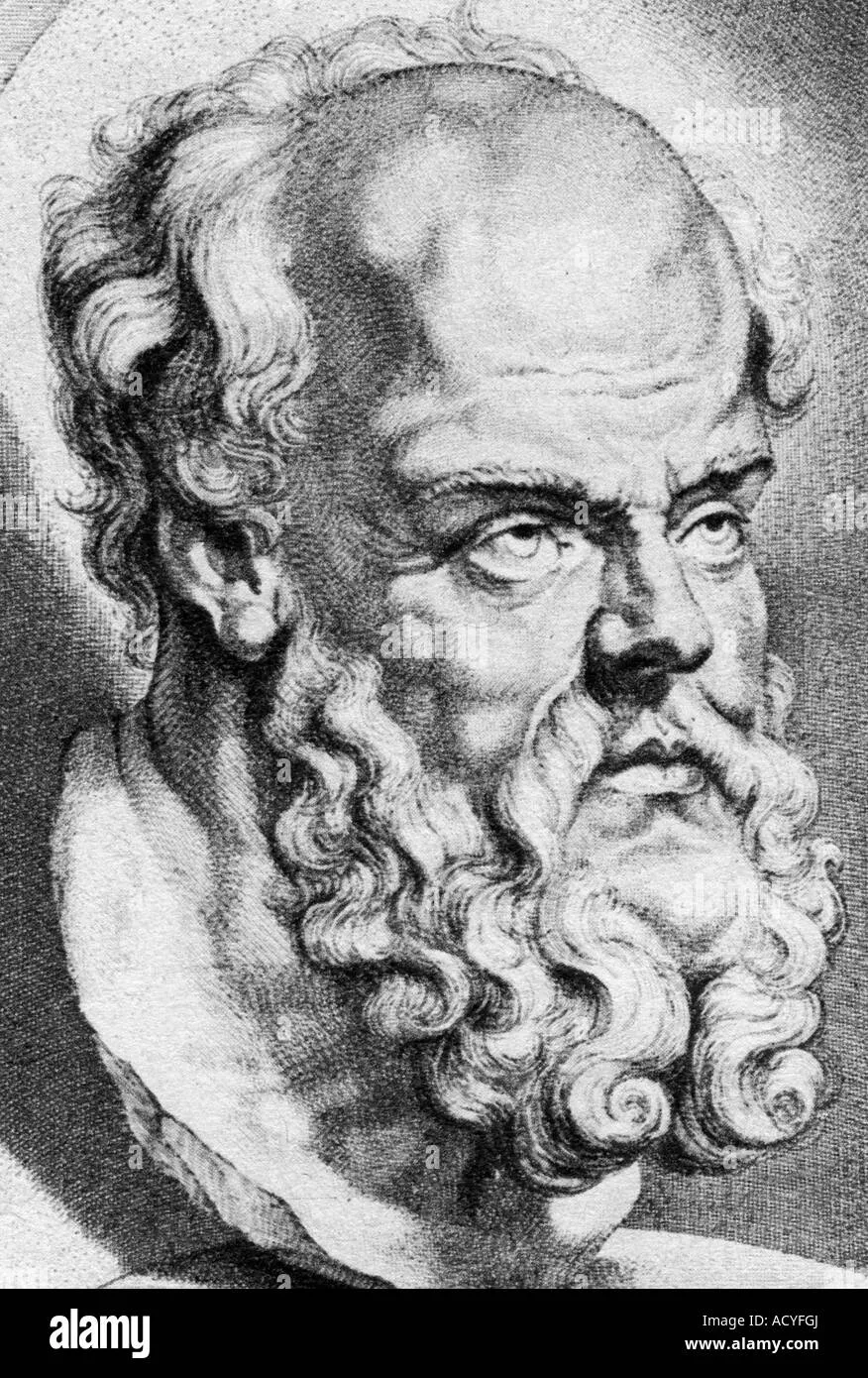 Photo: Socrates, via c8.alamy.com
Yet Athens kept writing new laws at a furious pace. The process of lawmaking had become more important than the laws themselves. Proposing legislation was a way to signal civic virtue, demonstrate expertise, and build political coalitions. Whether the laws would actually be enforced was beside the point.
Modern legislatures follow the same pattern. Congress passes roughly 300 new laws each year, adding to a federal code that already contains over 50,000 pages. Most legislators admit they don't read the bills they vote on, and federal agencies selectively enforce the regulations they're tasked with implementing. But the law-writing continues because the performance of governance is often more politically valuable than the practice of governance.
Medieval Guilds: Rules as Barriers to Entry
Medieval craft guilds wrote elaborate charters specifying everything from apprenticeship requirements to pricing standards to quality controls. Guild records from across Europe show systematic violations of these rules by guild members themselves, often with the tacit approval of guild leadership.
The real purpose of guild regulations wasn't to control member behavior — it was to create bureaucratic obstacles for potential competitors. A guild could point to its 50-page charter and claim that any outsider who wanted to practice the craft would need to master all these complex requirements. Meanwhile, existing guild members operated according to unwritten norms that bore little resemblance to the official rules.
This dynamic persists in modern professional licensing. State bar associations, medical boards, and other credentialing bodies maintain complex rule systems that primarily serve to limit competition rather than ensure competence. The rules are real, but their selective enforcement creates advantages for insiders who know which regulations matter and which exist only on paper.
Corporate Compliance Theater
Fortune 500 companies employ armies of compliance officers to manage rule systems that would make Hammurabi dizzy. The average large corporation operates under thousands of internal policies covering everything from expense reporting to email etiquette to workplace relationships. Employee surveys consistently show that most workers are unaware of most company policies, and management studies demonstrate that policy violations are nearly universal.
Yet companies keep writing new policies at an accelerating pace. Post-Enron regulations, #MeToo guidelines, remote work protocols — each corporate crisis generates a new layer of written rules that will be selectively enforced based on factors that have nothing to do with the written policy.
The real function of corporate policy manuals is legal protection, not behavioral control. When problems arise, companies can point to their comprehensive rule systems as evidence of good-faith efforts to prevent misconduct. The fact that these rules are routinely ignored is irrelevant to their legal utility.
The Psychology of Selective Enforcement
Why do institutions consistently write rules they don't intend to enforce? The answer lies in the psychological needs of both rule-makers and rule-followers.
For leaders, comprehensive rule systems provide multiple benefits:
- They demonstrate seriousness and authority
- They defer difficult decisions to "policy"
- They provide justification for actions taken for other reasons
- They create the appearance of fairness and consistency
- They offer legal protection when things go wrong
For subordinates, knowing that rules are selectively enforced actually reduces anxiety rather than increasing it. Universal enforcement would make organizational life impossible — there are simply too many rules for anyone to follow them all. Selective enforcement allows people to focus on the rules that actually matter while ignoring the bureaucratic noise.
The Unwritten Constitution of Every Institution
Every organization operates according to two sets of rules: the written policies that exist on paper and the unwritten norms that govern daily behavior. The written rules are for outsiders, investigators, and new employees who don't yet understand how things really work. The unwritten rules are for insiders who need to get things done.
This dual system isn't a sign of institutional failure — it's a sign of institutional sophistication. Organizations that tried to enforce every written rule would collapse under the weight of their own bureaucracy. The gap between policy and practice provides the flexibility that allows complex institutions to function in unpredictable environments.
Modern Examples: The Same Pattern Everywhere
The pattern appears across every type of modern institution:
Universities: Academic codes of conduct run hundreds of pages, but enforcement varies dramatically based on factors like tenure status, department politics, and public relations concerns.
Sports leagues: Rule books contain thousands of regulations, but referees are expected to "manage the game" by ignoring minor violations and focusing on infractions that affect competitive balance or player safety.
Government agencies: Federal regulations fill entire libraries, but agency priorities shift based on political leadership, budget constraints, and public attention.
Social media platforms: Terms of service agreements contain broad prohibitions that would ban most user activity if literally enforced, but content moderation focuses on violations that generate negative publicity or advertiser concern.
The Survival Value of Institutional Hypocrisy
The persistence of this pattern across five thousand years suggests it serves important functions. Institutions that tried to eliminate the gap between written rules and actual practice would face several problems:
- Rigidity: Literal rule enforcement prevents adaptation to changing circumstances
- Inefficiency: Following every rule would make routine tasks impossibly complex
- Unfairness: Uniform enforcement ignores context and individual circumstances
- Political vulnerability: Strict rule adherence eliminates the discretion leaders need to manage competing interests
Selective enforcement isn't a bug in institutional design — it's a feature that allows organizations to maintain legitimacy while preserving operational flexibility.
The Future of Institutional Rules
Technology companies promise that artificial intelligence and automated systems will finally close the gap between written rules and actual enforcement. But early experiments with algorithmic rule enforcement have produced results that most humans recognize as absurd — social media bots that ban historical documents for containing offensive language, automated hiring systems that screen out qualified candidates for minor resume formatting errors, surveillance systems that flag normal behavior as suspicious.
The problem isn't technological sophistication — it's that human judgment about when rules should and shouldn't apply involves contextual reasoning that doesn't translate well to formal systems. The gap between written rules and actual practice reflects the irreducible complexity of human social organization, not the inadequacy of current enforcement mechanisms.
Five millennia of institutional evolution suggests that this gap will persist regardless of technological advances. The written rules will continue to multiply, the actual enforcement will remain selective, and everyone involved will continue pretending that this arrangement is temporary rather than permanent. It's not a failure of governance — it's governance itself.